Signs Your Roof Damage Started With a Gutter Problem
Roof damage doesn’t always start on the roof.
Signs Your Roof Damage Started With a Gutter Problem
1. Water Stains Along Roof Edges or Ceilings
If you notice discoloration near the edge of your ceiling or along exterior rooflines, this often points to water backing up behind the gutters. Instead of flowing away from the home, water is being forced under shingles or into the roof decking.
This is one of the earliest signs of water damage roof issues caused by improper drainage.
2. Rotting or Soft Fascia Boards
Fascia boards sit directly behind your gutters. When gutters overflow or leak at the seams, water repeatedly soaks the fascia.
Over time, this leads to:
- Soft or crumbling wood
- Peeling paint
- Visible rot
Visible fascia damage is a strong indicator that your gutter system is failing and allowing water to sit where it shouldn’t.
3. Shingles Curling or Lifting Near the Gutter Line
When water backs up due to clogged or sagging gutters, it can seep under the first row of shingles. This repeated exposure causes shingles to curl, lift, or deteriorate prematurely.
Roof damage that appears concentrated along the edges is often linked to gutter problems—not normal roof aging.
4. Mold or Mildew Near Rooflines or Attic Spaces
Excess moisture caused by poor drainage creates ideal conditions for mold and mildew. If you’re seeing growth near roof edges, soffits, or inside attic spaces, the source may be persistent gutter overflow.
This type of moisture damage rarely resolves itself without fixing the underlying gutter issue.
5. Sagging Gutters Pulling Away From the Roof
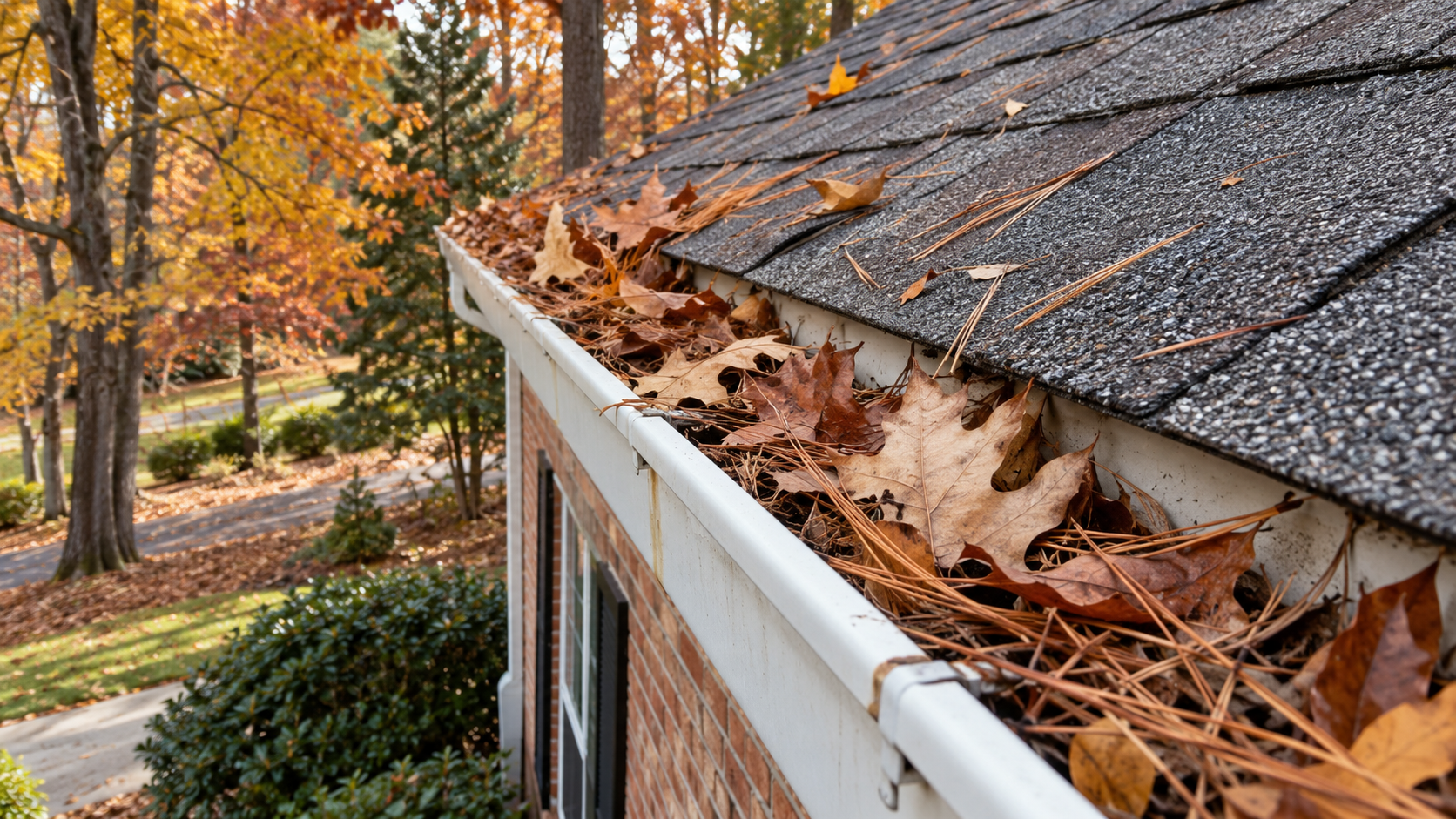
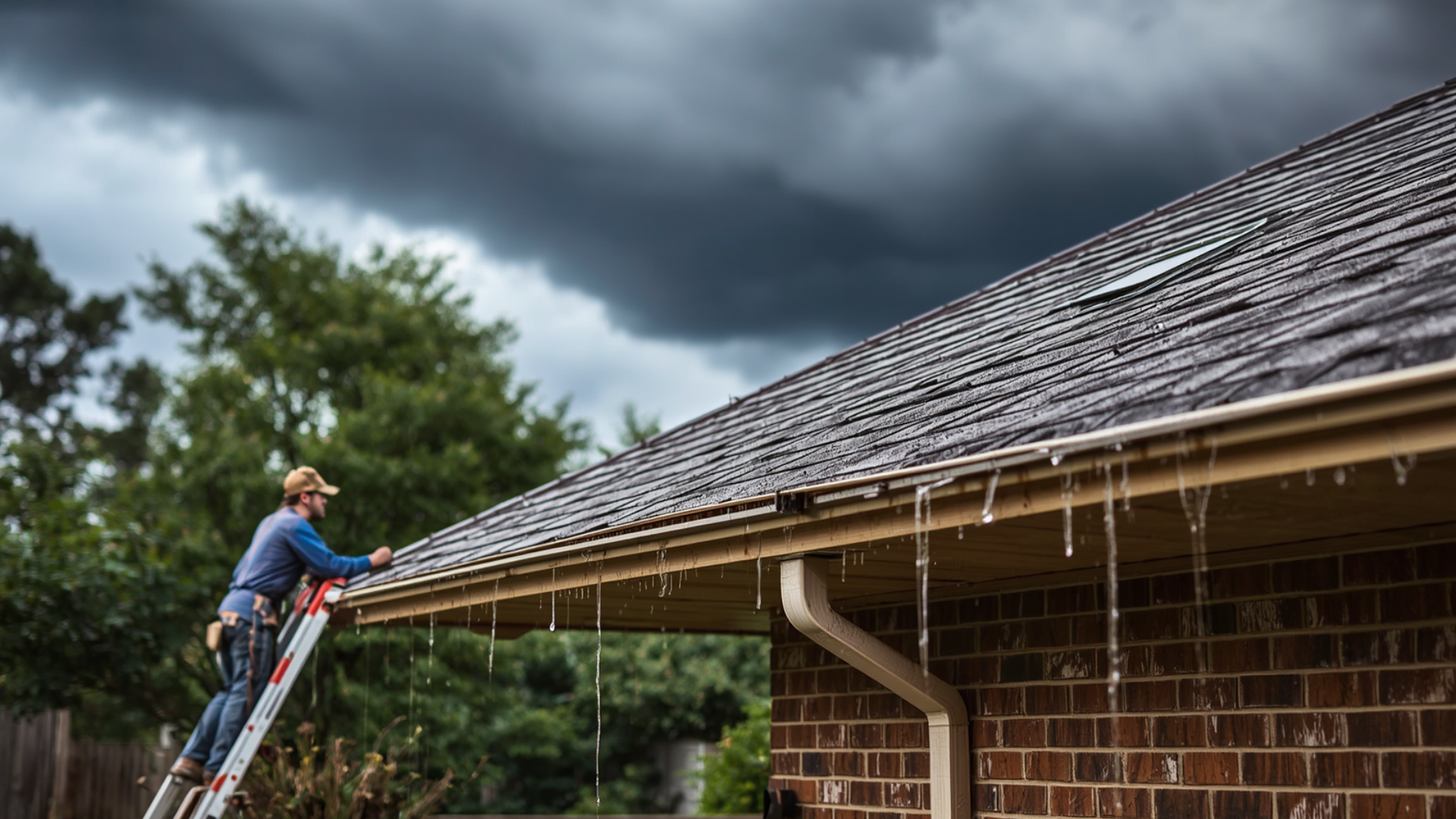
Gutters that are heavy with debris or water can pull away from the fascia. When this happens, water no longer flows into the gutter system properly and instead runs directly behind it.
This leads to:
- Accelerated fascia damage
- Roof edge rot
- Increased risk of leaks
At this stage, roof damage from gutters is already in progress.
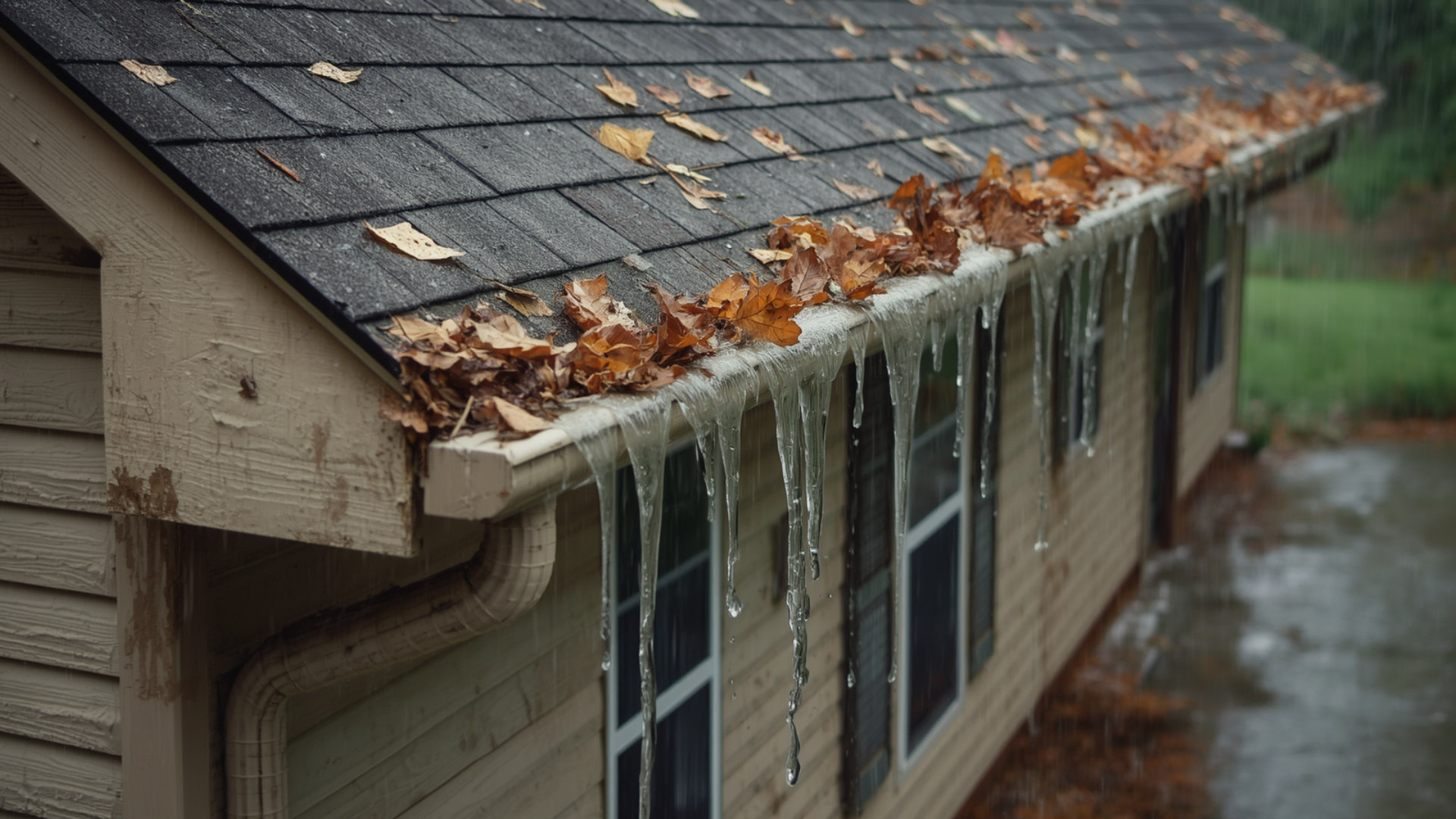
6. Ice or Debris Buildup Along Roof Edges
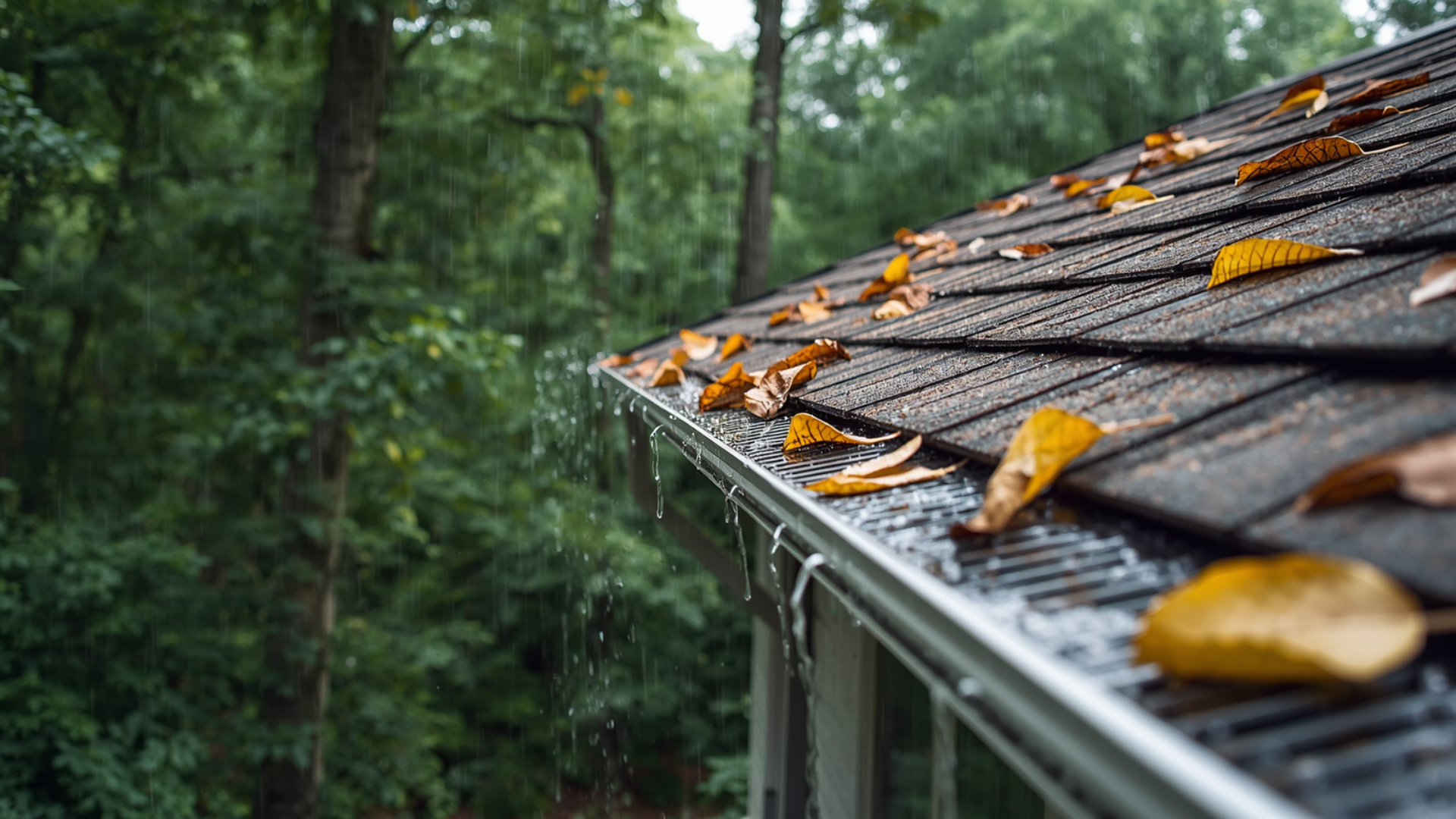
While ice dams are more common in colder climates, debris dams happen everywhere. Leaves and debris trap water, forcing it to pool at the roofline.
That trapped moisture breaks down roofing materials faster and can cause long-term structural issues if ignored.
Why Gutter-Related Roof Damage Gets Missed
Homeowners often focus on shingles when they see a leak. But if the gutter system is the source of the problem, replacing shingles alone won’t solve it.
That’s why many roof repairs fail prematurely—the water problem was never fixed.
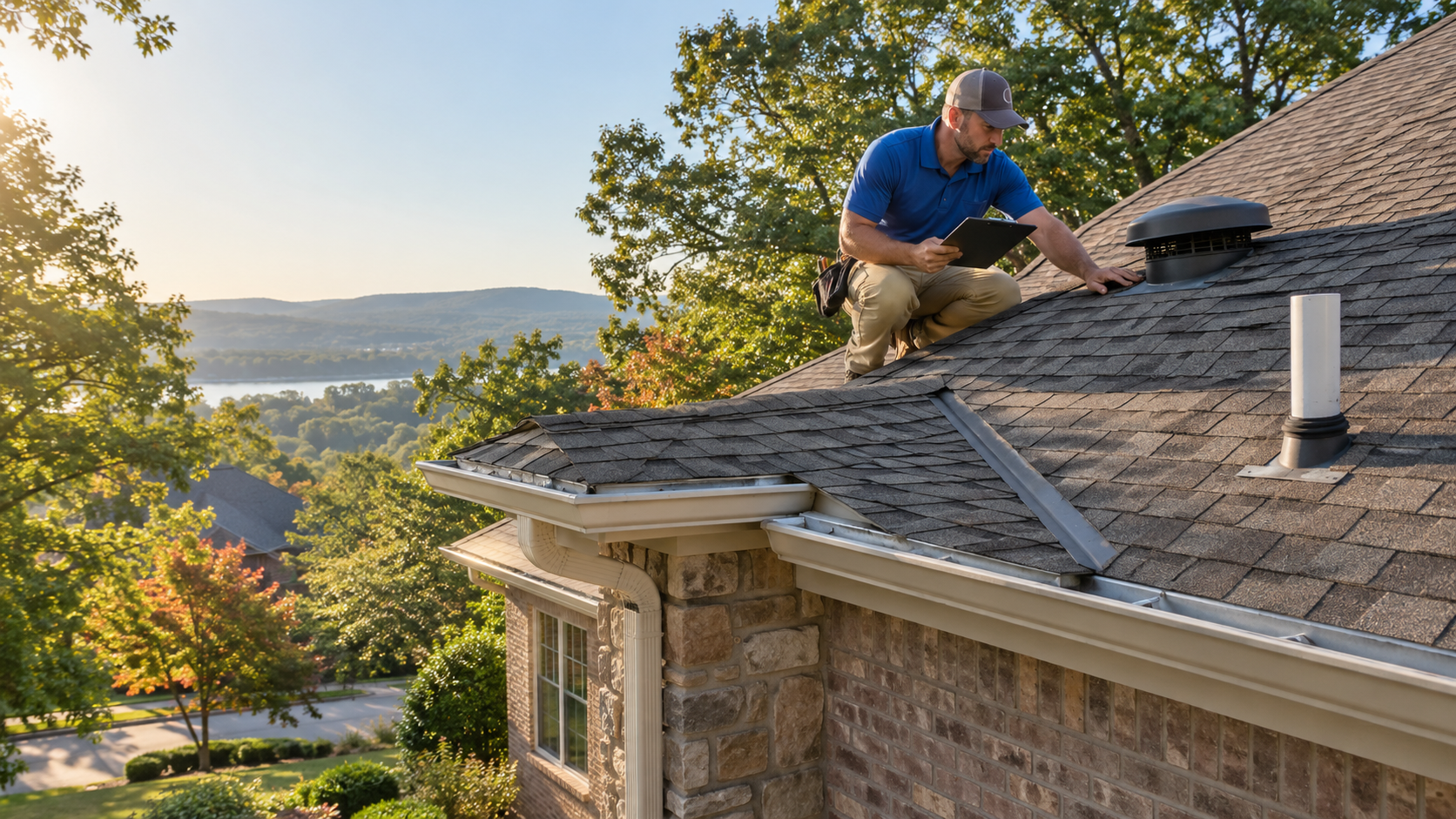
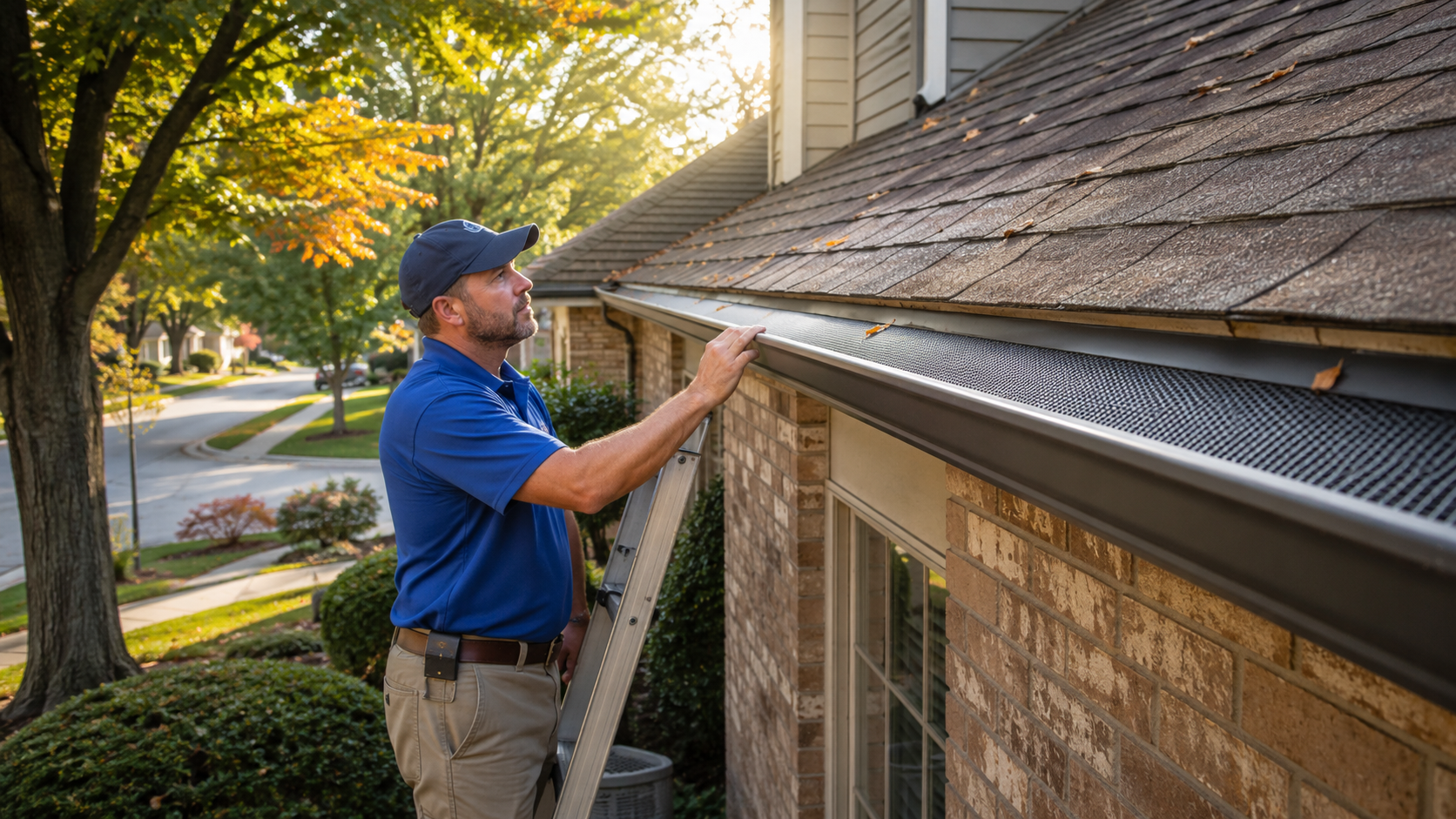
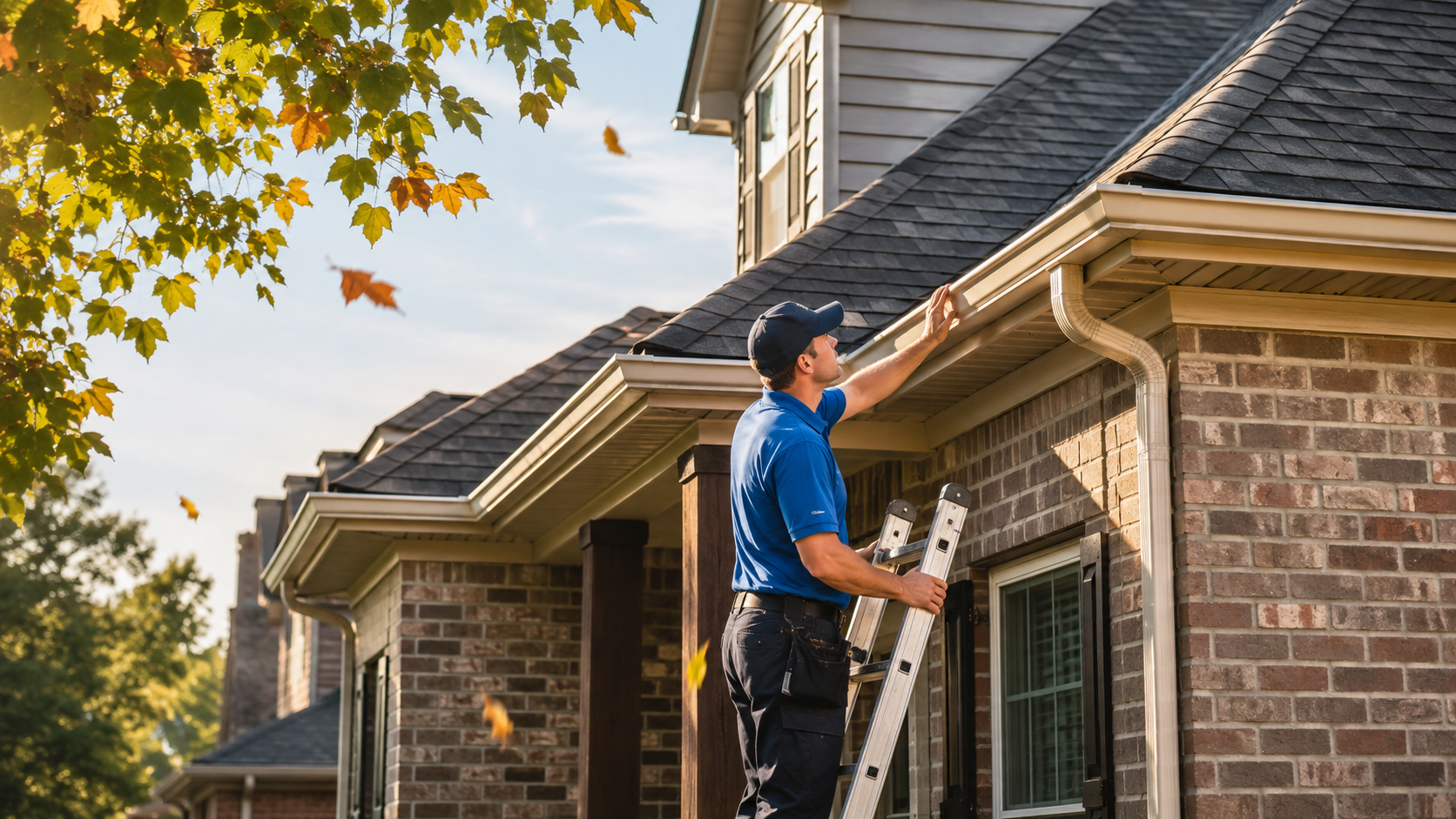
A proper inspection looks at:
- Gutters and downspouts
- Fascia and soffit condition
- Roof edges and flashing
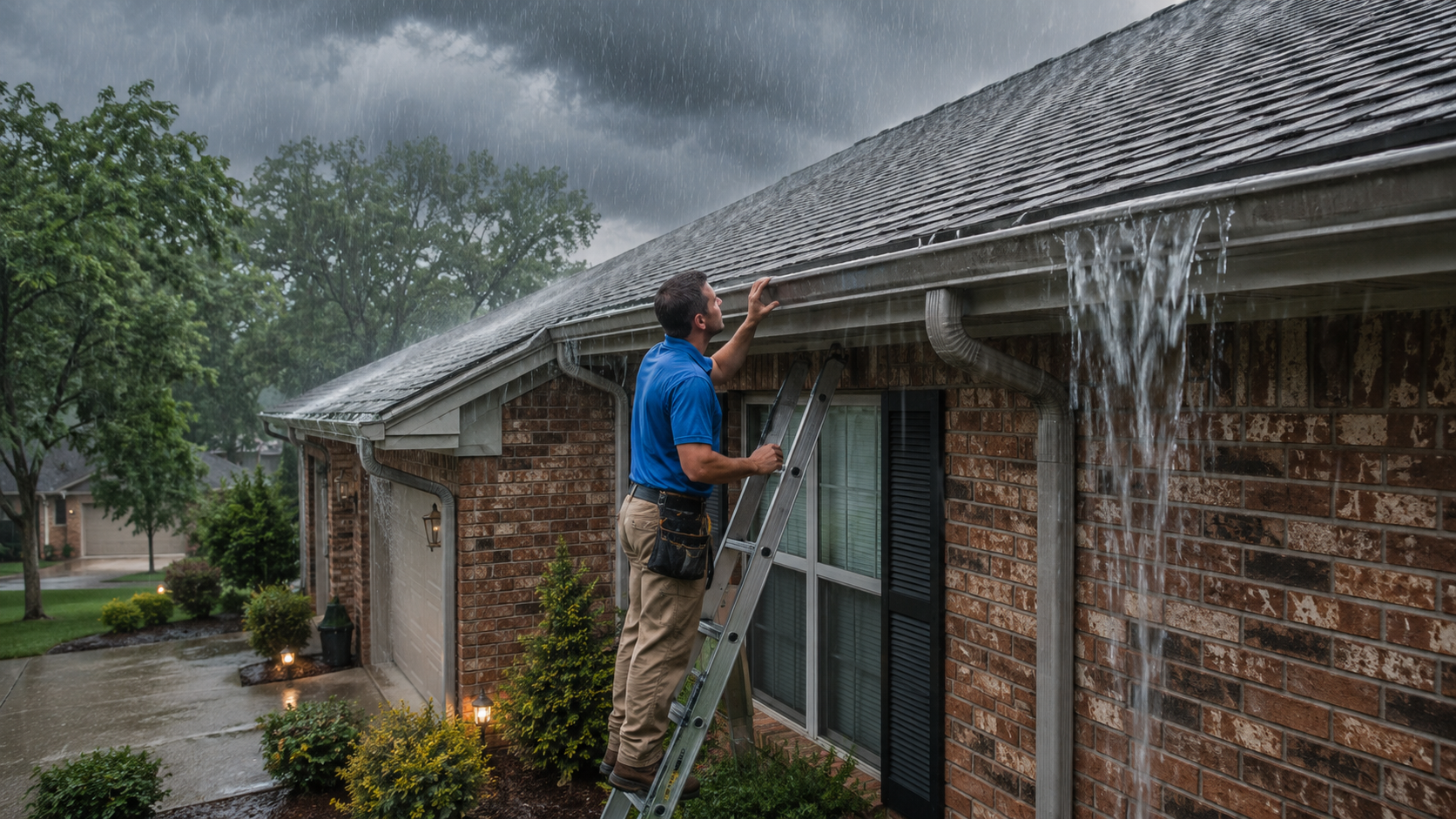
- Water flow during heavy rain
When a Gutter Issue Becomes a Roofing Issue
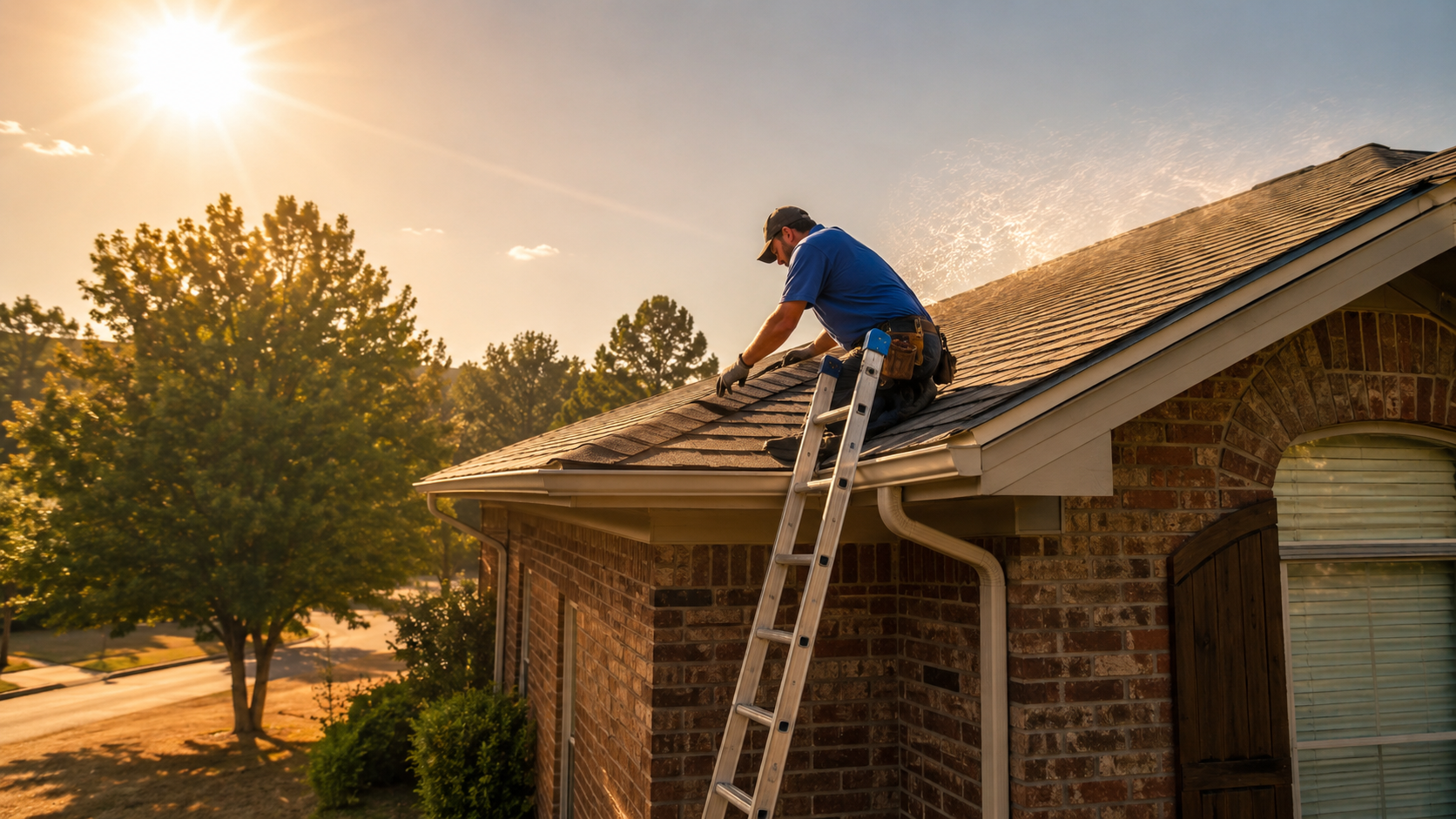
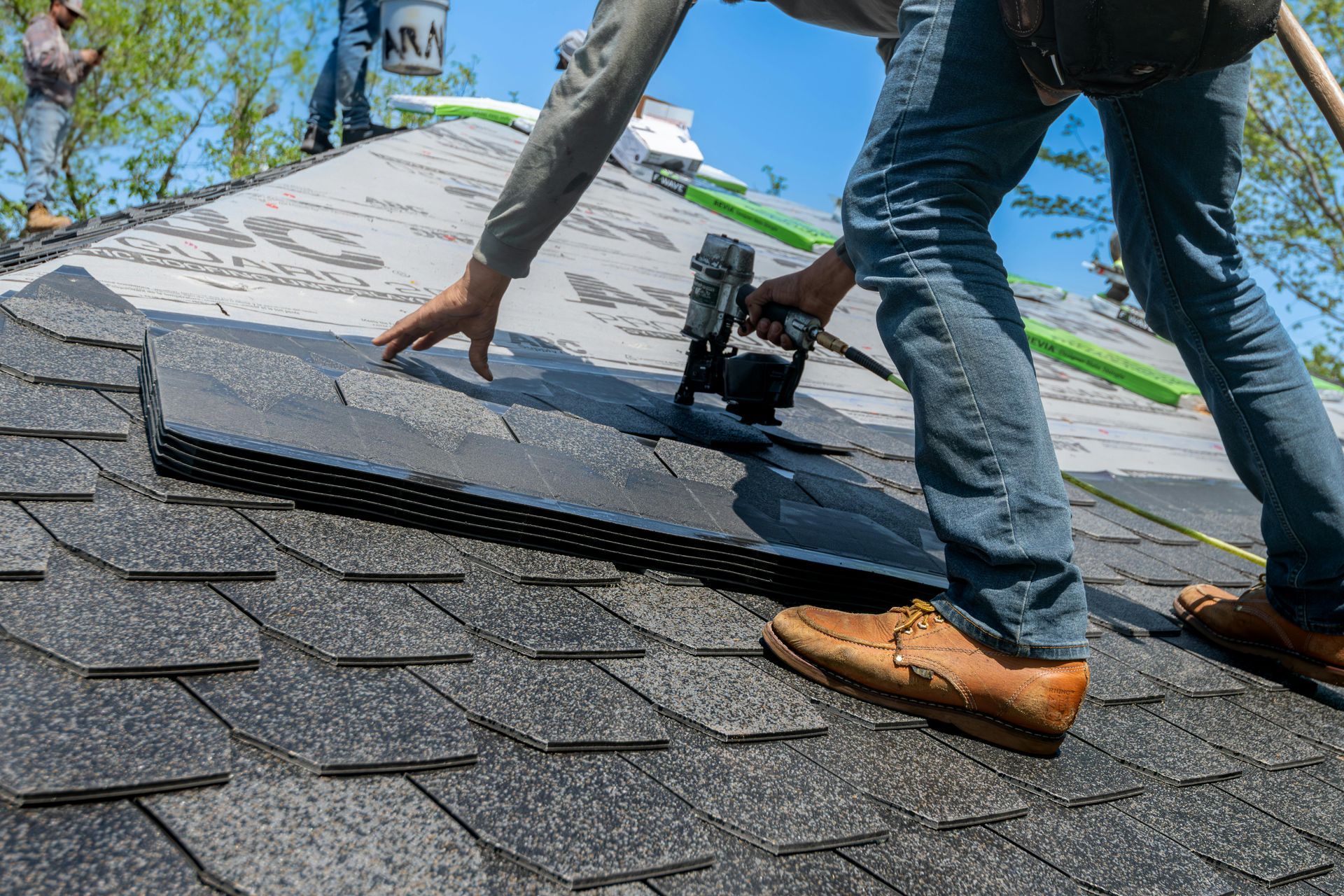
Once water infiltrates roofing materials, repairs move beyond gutters alone. This is where professional roofing services come into play.
You should consider a roof inspection if:
- Gutter repairs haven’t stopped leaks
- Fascia damage is widespread
- Shingles show signs of rot or lifting
- Interior water stains continue to grow
Addressing both systems together prevents repeat damage and costly future repairs.
Frequently Asked Questions
Can gutters really cause roof damage?
Yes. Failed or clogged gutters can cause water to back up under shingles, soak fascia boards, and damage roof decking over time.
What type of roof damage is caused by gutters?
Common damage includes rotting fascia, lifted shingles, mold growth, and water intrusion along roof edges.
How do I know if my roof leak is from the gutters?
If damage is concentrated near roof edges, fascia, or soffits, and worsens after heavy rain, gutters are often the source.
Should gutters be fixed before roof repairs?
Yes. If gutter problems aren’t corrected first, roof repairs may fail because the underlying water issue remains.
If your roof is showing signs of damage and your gutters aren’t doing their job, waiting only makes repairs more expensive. Schedule a professional gutter and roof inspection now and find the real source of the problem before it spreads.
Final Takeaway
Roof problems don’t always start on the roof. In many cases, failing gutters quietly cause damage long before a leak becomes obvious.
If you’re dealing with unexplained leaks, fascia damage, or early roof deterioration, the smartest move is a professional inspection that evaluates both your gutters and your roof together.
Fixing the drainage issue early can prevent major roofing repairs later—and save you thousands in the process.