What Clogged Gutters Can Do to Your Roof, Foundation, and Siding | MT’s Gutters & Roofing
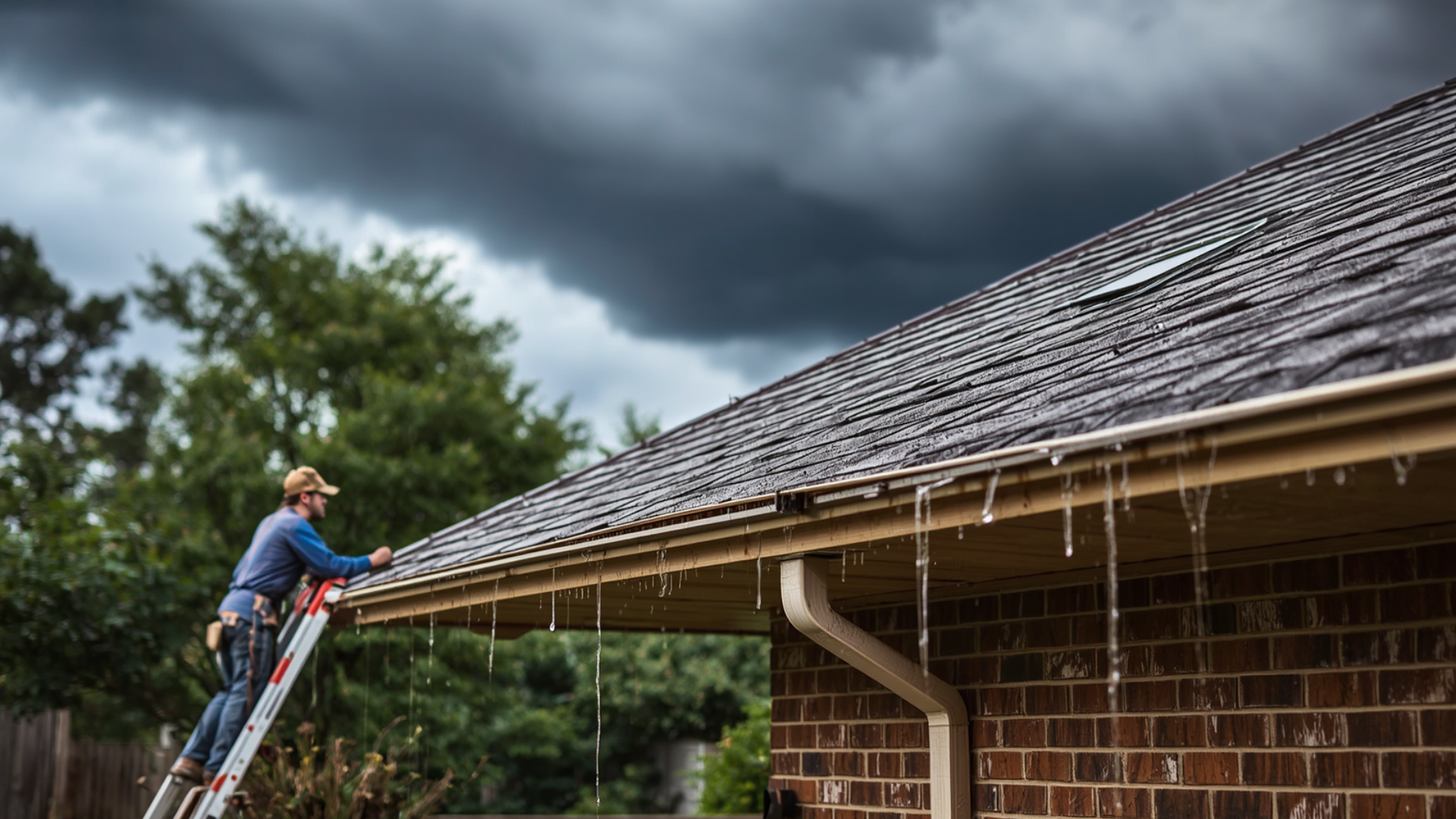
Clogged gutters may look like a small maintenance issue, but they can create expensive water problems around your entire home.
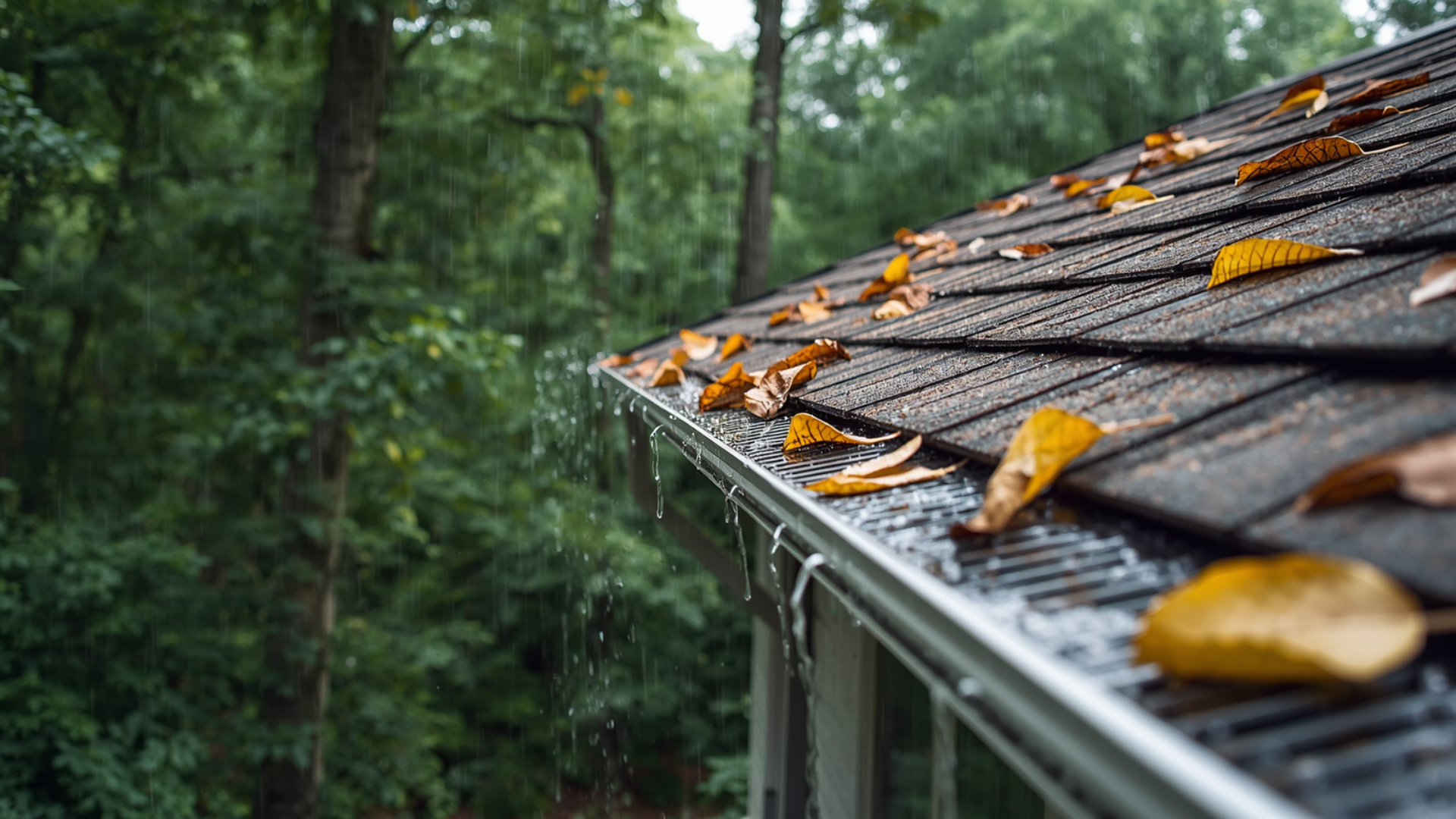
Clogged gutters are easy to ignore.
They are up high.
They are out of sight.
They do not usually make noise.
They do not send you a bill right away.
But when gutters stop moving water the way they should, the rest of your home starts paying for it.
For homeowners in Little Rock, North Little Rock, Cabot, Jacksonville, Sheridan, and surrounding Central Arkansas areas, clogged gutters are not just a cosmetic problem. They can lead to roof damage, fascia rot, siding stains, foundation issues, landscape erosion, and water showing up where it does not belong.
That is the problem with water.
It does not need permission.
It just needs an opening.
Do not let a clogged gutter become a roof, siding, or foundation problem.
MT’s Gutters & Roofing can inspect your gutter system, clean out debris, repair problem areas, and help you decide whether gutter guards or replacement make sense for your home.
We serve Little Rock, North Little Rock, Cabot, Jacksonville, Sheridan, and surrounding Central Arkansas communities.
Key Takeaways
- Clogged gutters can cause water to overflow near your roofline, siding, and foundation.
- Water backing up near the roof edge can damage shingles, fascia, soffit, and roof decking.
- Overflowing gutters can stain siding, rot wood trim, and create moisture problems around windows and doors.
- Poor gutter drainage can cause water to pool near your foundation and landscaping.
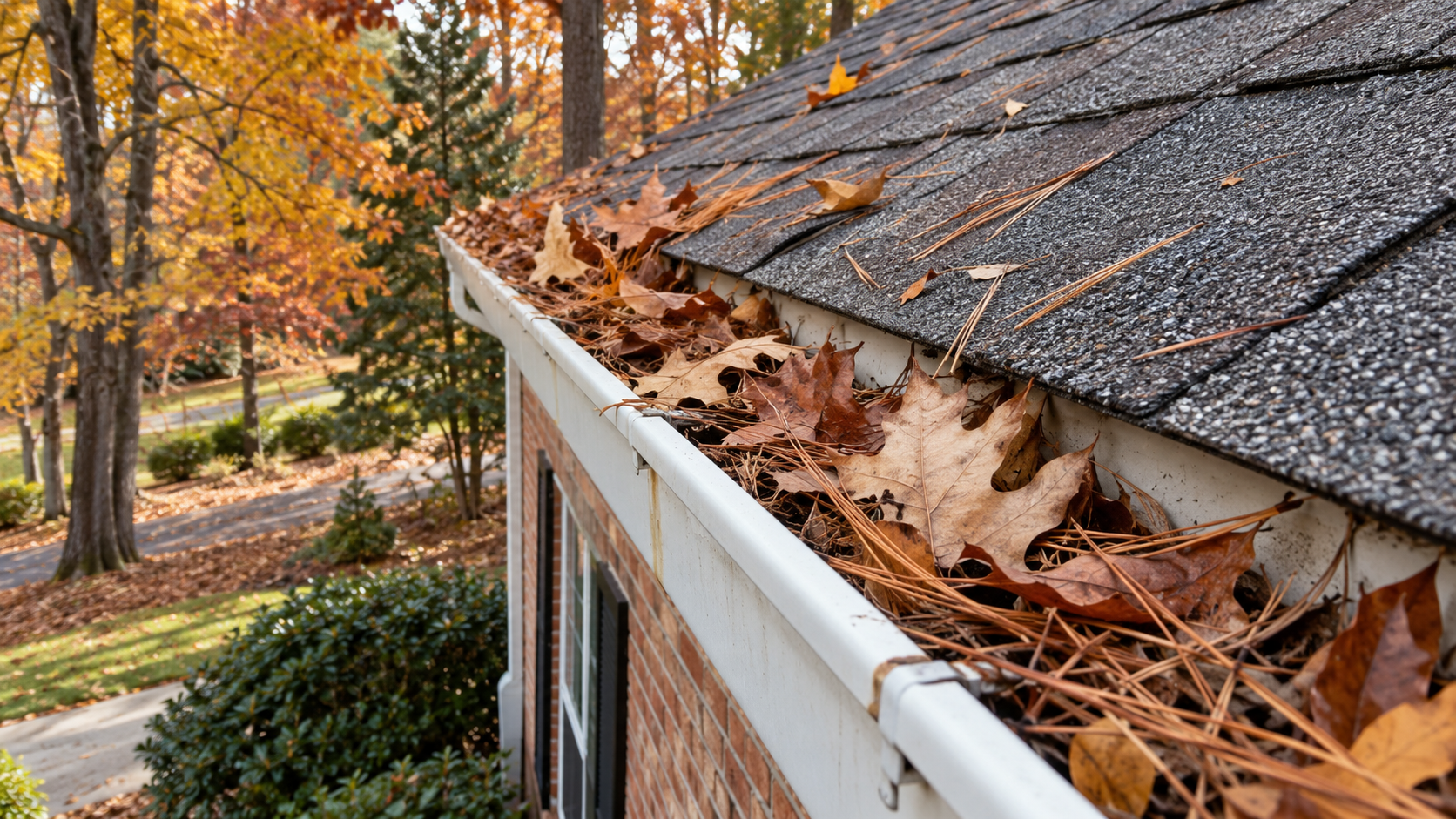
- Gutter clogs are often caused by leaves, pine needles, roof granules, sticks, and storm debris.
- If your gutters overflow during heavy rain, the system may be clogged, damaged, improperly sloped, or undersized.
- Regular gutter cleaning, inspections, gutter repair, and gutter guards can help protect your home from water damage.
Why Gutters Matter More Than Most Homeowners Think
Gutters have one job: move rainwater away from your home.
That sounds simple, but it is a big job.
A properly working gutter system collects water from the roof and directs it through downspouts away from the house. This helps protect your roof edge, fascia, siding, windows, doors, landscaping, walkways, basement or crawlspace areas, and foundation.
When gutters clog, that water still has to go somewhere.
It may spill over the front of the gutter.
It may back up under the roof edge.
It may run behind the gutter.
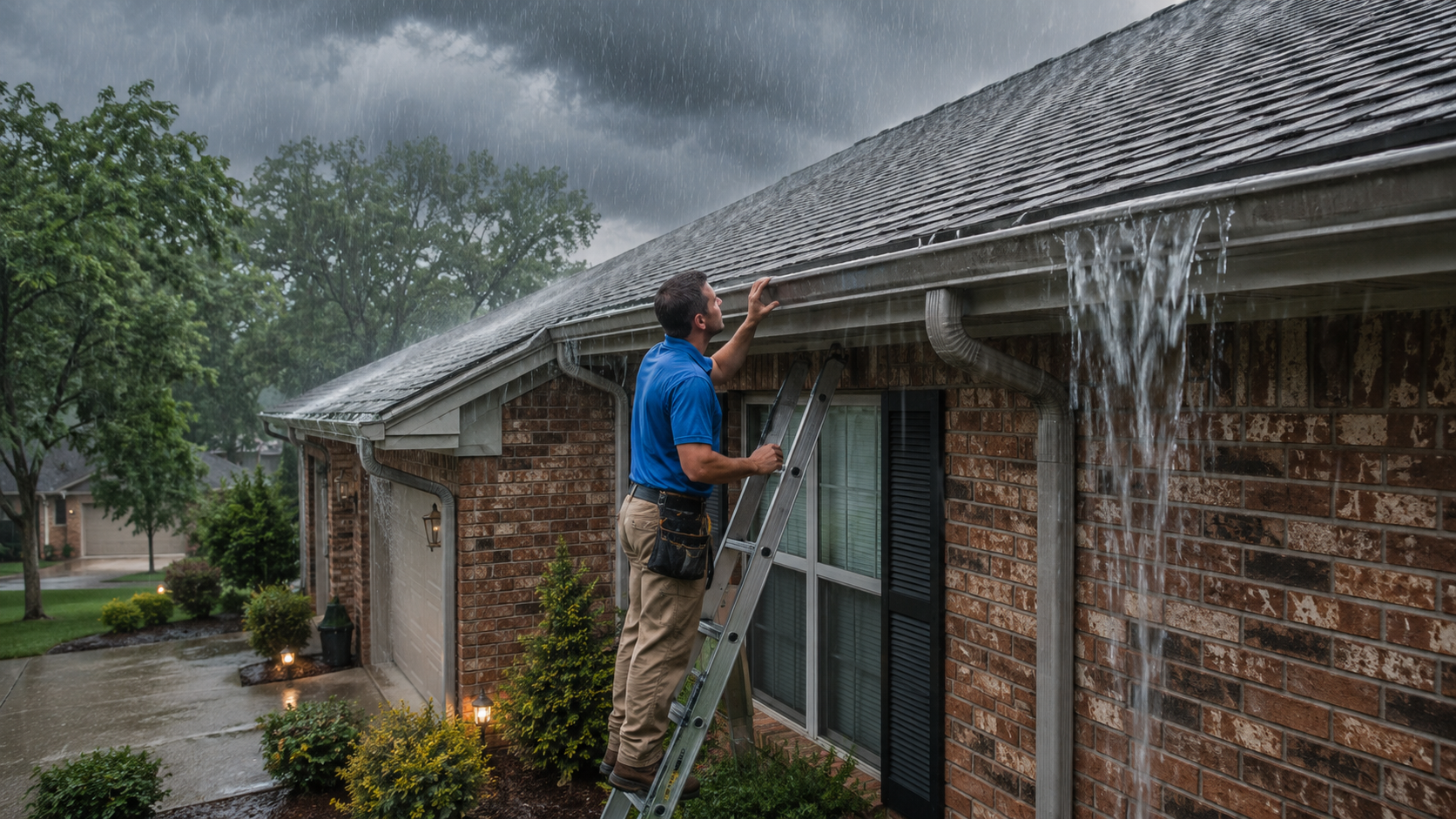
It may pour down your siding.
It may dump directly beside the foundation.
None of those are good options.
If your gutters are clogged, your home is basically wearing a raincoat with the zipper open. It might look like it is covered, but water is still getting where it should not.
What Causes Gutters to Clog?
Gutters clog when debris blocks the normal flow of water.
In Arkansas, common gutter clogs come from:
Leaves
Pine needles
Acorns
Small sticks
Roof granules
Shingle debris
Seed pods
Storm debris
Bird nests
Mud and roof runoff
Homes with trees nearby are especially vulnerable. A shaded yard may look great in July, but those trees are also dropping material onto your roof and into your gutters throughout the year.
Storms can make the problem worse by blowing branches, leaves, and debris onto the roof. Heavy rain can then push that debris into the gutter system and pack it around downspout openings.
Once the downspout is blocked, the gutter fills up fast.
That is when overflow starts.
How Clogged Gutters Can Damage Your Roof
Your roof is designed to shed water.
It is not designed to sit in water.
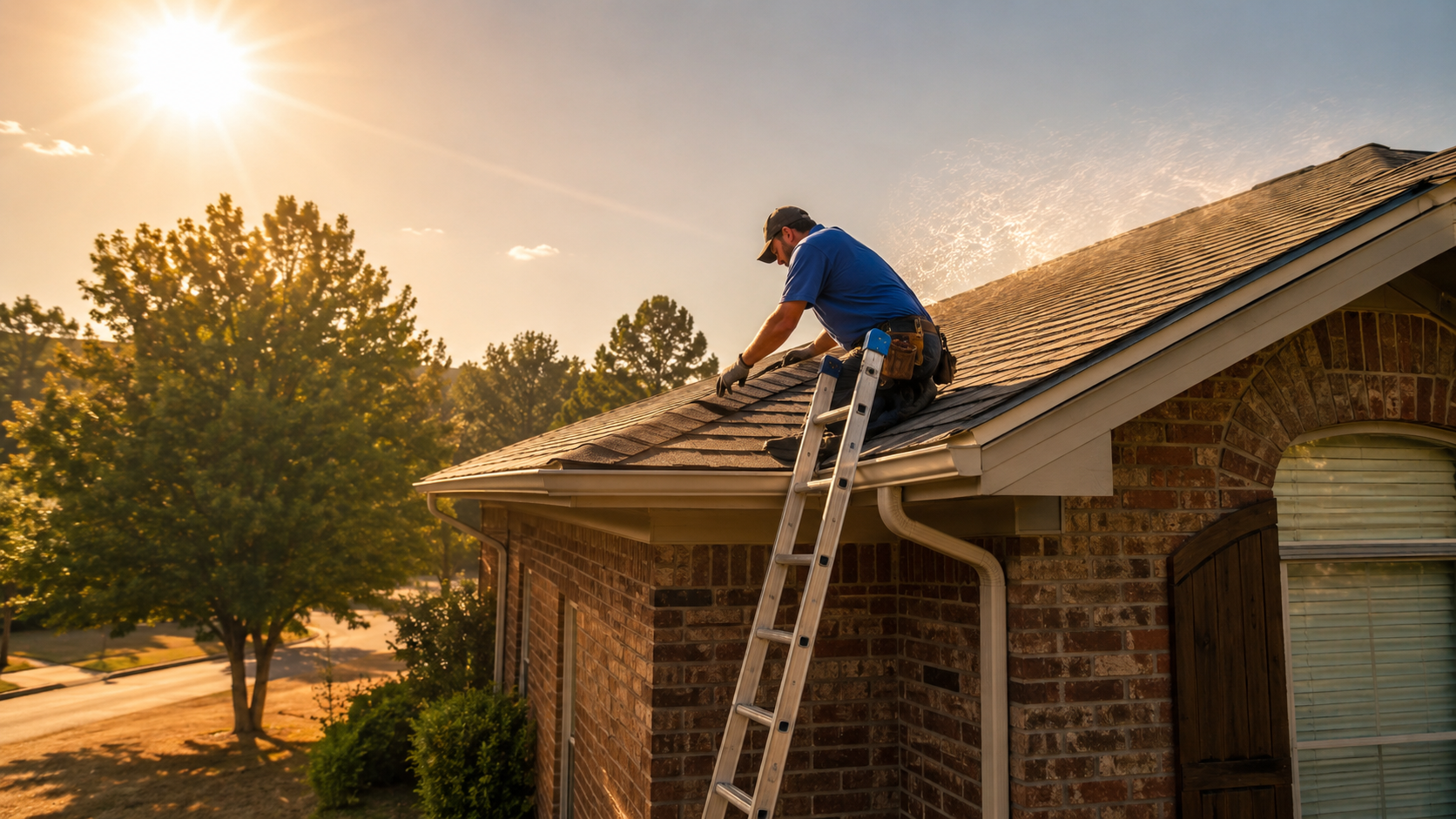
When gutters clog, water can collect near the roof edge. In some cases, that water can back up under shingles or soak into the wood around the edge of the roof.
Over time, clogged gutters can contribute to:
Damaged shingles
Rotten roof decking
Soft or damaged fascia boards
Soffit damage
Leaks near the roof edge
Mold or mildew in damp areas
Water entering the attic
Premature roof aging
This is why roof and gutter maintenance go together.
A homeowner may think they have a roof problem, but the real issue started with clogged gutters. Water overflowed, backed up, soaked the fascia, and eventually created damage around the roofline.
That is not a mystery.
That is gravity with paperwork.
How Clogged Gutters Damage Fascia and Soffit
Fascia is the board that runs along the edge of your roofline. Gutters are usually attached to it.
Soffit is the material underneath the roof overhang.
Both are important. Both can be damaged by overflowing gutters.
When gutters clog, water can spill over the edge or run behind the gutter. That water can soak the fascia board. If the problem continues, the wood can soften, rot, or pull away from the fasteners.
Signs of fascia or soffit damage may include:
Peeling paint near the roofline
Soft or warped wood
Dark stains under the gutters
Gutters pulling away from the house
Visible rot
Water dripping behind the gutter
Sagging gutter sections
Pest activity near the roof edge
Once fascia damage gets bad enough, gutter repair becomes more complicated. The gutter may not have a solid surface to attach to anymore.
That is why catching the problem early matters.
How Clogged Gutters Can Damage Siding
When gutters overflow, water often runs down the side of the house.
That can create siding stains, mildew, wood rot, and moisture problems around windows and doors.
Depending on the type of siding, repeated water exposure can cause:
Staining
Paint damage
Mildew growth
Warping
Wood rot
Moisture behind siding
Damage around trim
Water intrusion near windows
If you see dark streaks or stains below the gutters, the gutter system may not be draining correctly.
Your siding is not supposed to act like a waterfall wall.
If it does, the gutters need attention.
How Clogged Gutters Can Affect Your Foundation
This is where clogged gutters can become a much bigger issue.
When water spills over clogged gutters and lands near the base of your home, it can collect around the foundation. Over time, poor drainage can create soil movement, erosion, crawlspace moisture, basement seepage, or foundation stress.
Not every puddle means you have a foundation problem.
But repeated water pooling near the home is not something to ignore.
Warning signs may include:
Water pooling near the foundation
Erosion under the roofline
Mud splashing on siding
Wet crawlspace areas
Musty smells
Cracks in walkways or nearby concrete
Soil pulling away from the foundation
Standing water after rain
Gutters and downspouts are supposed to move water away from the house. If they are clogged, broken, or draining too close to the foundation, they are not doing their job.
And foundation issues are not exactly a “we’ll get to it someday” kind of bill.
How Clogged Gutters Hurt Landscaping
Clogged gutters can also damage flower beds, mulch, shrubs, and soil around your home.
When water overflows from a clogged gutter, it often falls in sheets instead of flowing through downspouts. That heavy spill can wash away mulch, create trenches in the soil, damage plants, and flood garden beds.
Signs of landscape damage from gutter overflow include:
Washed-out mulch
Exposed soil
Trenches under the roofline
Damaged plants
Pooling in flower beds
Mud splashed onto siding
Standing water near walkways
This may not seem as serious as roof or foundation damage, but it is still a warning sign.
If your landscaping is getting hammered every time it rains, your gutter system is not controlling the water properly.
Why Heavy Arkansas Rain Makes Clogged Gutters Worse
Central Arkansas can get heavy rainfall, especially during storms.
When rain comes down fast, gutters need to move a lot of water quickly. If the gutters are clogged, undersized, loose, or poorly sloped, water can overflow almost immediately.
A light rain may not reveal the problem.
A hard rain will.
That is why some homeowners think their gutters are fine until one big storm shows otherwise.
If water spills over your gutters during heavy rain, do not assume it is normal. It may mean:
The gutters are clogged
The downspouts are blocked
The gutters are sagging
The slope is wrong
The gutters are too small
The system needs repair
There are not enough downspouts
Gutter guards may be needed
A gutter system should be able to move water away from the home. If it cannot, the home is left exposed.
Signs Your Gutters Are Clogged
You do not have to climb on a ladder to spot many gutter problems.
From the ground, look for:
Water spilling over the gutters
Sagging gutter sections
Plants growing in the gutters
Leaves visible above the gutter edge
Water dripping behind the gutter
Stains on siding
Soil erosion below the roofline
Pooling water near the foundation
Downspouts not flowing during rain
Gutters pulling away from the fascia
Pest activity near the roofline
If you see water pouring over the front of the gutter during a storm, that is the clearest sign.
Your gutters are waving a little white flag.
Should You Clean, Repair, or Replace Your Gutters?
It depends on the condition of the system.
Gutter cleaning may be enough if the gutters are still secure, properly sloped, and in good condition.
Gutter repair may be needed if sections are leaking, sagging, pulling away, or not draining correctly.
Gutter replacement may be the better choice if the system is old, damaged, undersized, poorly installed, or failing in multiple places.
Gutter guards may help if the gutters are in good condition but clog frequently because of trees or storm debris.
The important thing is to solve the actual problem.
Cleaning clogged gutters helps.
Repairing damaged gutters helps.
Installing gutter guards can help.
But ignoring the issue helps nothing.
Water problems do not fix themselves. They just travel.
How Often Should Gutters Be Cleaned in Arkansas?
Most homes should have gutters checked at least twice a year, usually in the spring and fall.
However, some Arkansas homes need more frequent cleaning, especially if they are surrounded by trees or have had recent storm activity.
You may need more frequent gutter cleaning if:
Your home sits under trees
You see leaves or debris in the gutters
Your gutters overflow during rain
Downspouts clog often
You notice water near the foundation
Storms recently moved through your area
You have pine trees nearby
You see roof granules in the gutter system
The best schedule depends on your home, tree coverage, roof design, and gutter condition.
How Gutter Guards Can Help
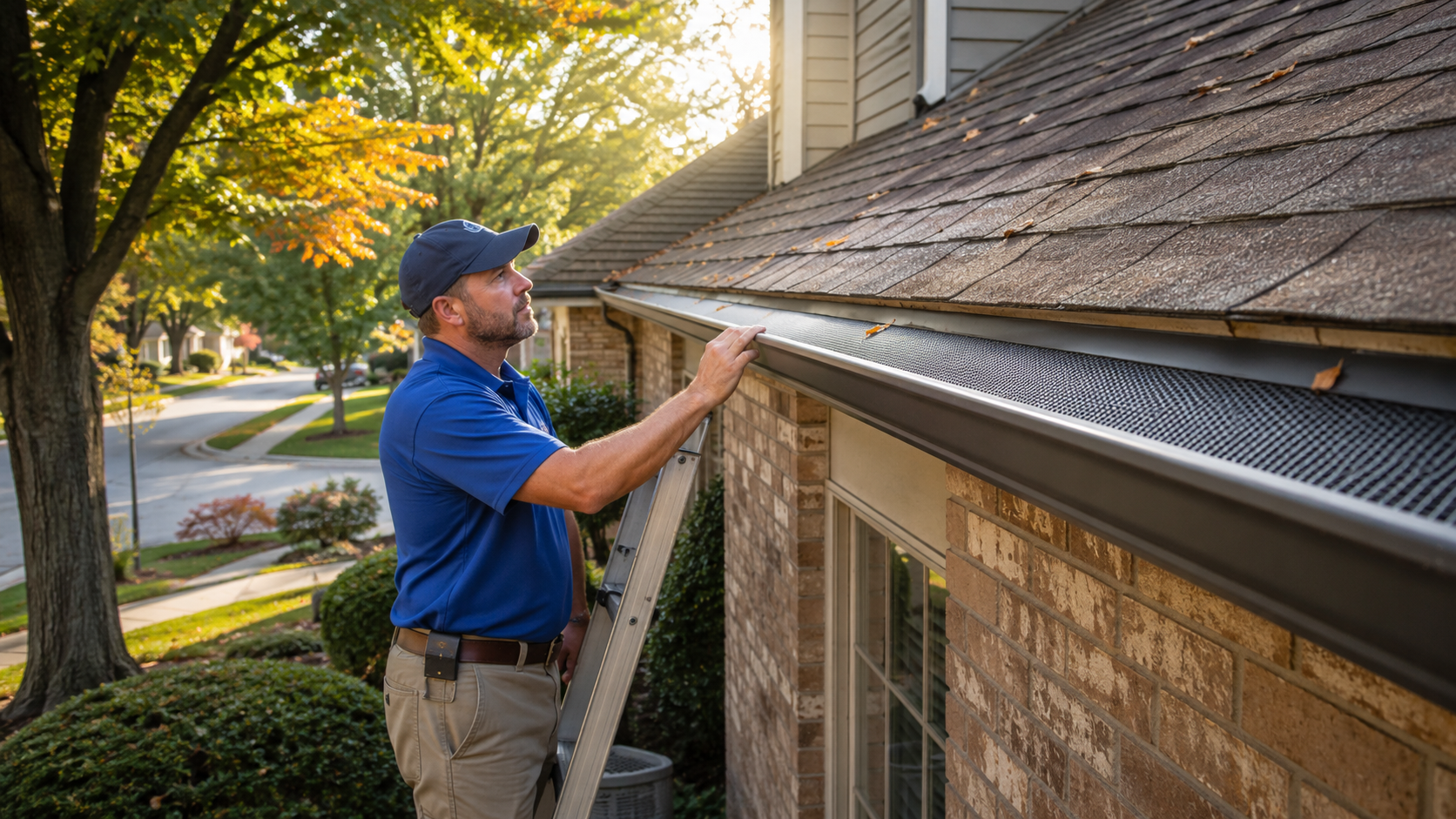
Gutter guards can reduce how much debris gets into the gutter system.
They are not perfect, and they do not eliminate all maintenance forever. But the right gutter protection can help reduce clogs, improve drainage, and make gutter upkeep easier.
Gutter guards may be a good fit if:
Your gutters clog often
You have trees near the home
You want to reduce gutter cleaning
Downspouts clog with leaves
You want better stormwater flow
You are tired of repeated overflow problems
Before installing gutter guards, the gutters should be cleaned, inspected, and repaired if needed.
Putting guards over damaged or clogged gutters does not solve the problem. It just puts a lid on it.
Why Professional Gutter Service Matters
Gutter work may look simple from the ground, but there is more to it than scooping out leaves.
A professional can check for:
Clogs
Leaks
Sagging sections
Loose fasteners
Improper slope
Damaged fascia
Poor downspout drainage
Storm damage
Roofline concerns
Gutter guard options
A good gutter inspection gives you a clearer picture of what is happening and what needs to be done next.
Sometimes the answer is simple cleaning.
Sometimes it is repair.
Sometimes the system needs to be upgraded.
The point is to find out before water damage spreads.
Final Thoughts
Clogged gutters may seem small, but the damage they cause can reach far beyond the gutter itself.
They can affect your roof, fascia, soffit, siding, landscaping, and foundation.
For Arkansas homeowners, especially during storm season, gutter maintenance is not busywork. It is home protection.
If your gutters are overflowing, sagging, leaking, or constantly packed with debris, do not wait for water damage to announce itself inside the house.
By then, the problem has already moved in.
Do not let a clogged gutter become a roof, siding, or foundation problem.
FAQ
Can clogged gutters damage my roof?
Yes. Clogged gutters can cause water to back up near the roof edge, which may damage shingles, fascia, soffit, roof decking, and attic areas over time.
Can clogged gutters cause foundation problems?
Yes. When clogged gutters overflow, water can collect near the foundation. Over time, poor drainage may contribute to soil erosion, crawlspace moisture, basement seepage, or foundation stress.
Why is water spilling over my gutters?
Water spilling over your gutters may mean the gutters are clogged, the downspouts are blocked, the gutters are sagging, the slope is wrong, or the system is too small for the amount of water coming off the roof.
How often should gutters be cleaned in Arkansas?
Most Arkansas homes should have gutters checked at least twice a year, usually in spring and fall. Homes near trees or homes hit by storms may need more frequent cleaning.
Can clogged gutters damage siding?
Yes. Overflowing gutters can send water down the siding, which may lead to stains, mildew, paint damage, wood rot, and moisture problems around windows or trim.
Are gutter guards worth it if my gutters clog often?
Gutter guards can be worth considering if your gutters clog frequently, especially if your home is near trees. The gutters should be cleaned and inspected before guards are installed.