Can Extreme Arkansas Heat Damage Your Roof? What Homeowners Should Watch For
Extreme Arkansas heat can take a toll on an aging roof. Learn the warning signs of heat-related roof wear and what Central Arkansas homeowners should watch for before fall storms arrive.
Key Takeaways
- Extreme summer heat and prolonged UV exposure can contribute to the aging of asphalt roofing materials.
- A dark asphalt-shingle roof can reach temperatures far above the surrounding air temperature on a sunny summer day.
- Shingle granules help protect asphalt roofing from UV exposure, making significant granule loss something homeowners should pay attention to.
- Curling, cracking, loose shingles, exposed areas, and excessive granules in gutters can indicate that a roof deserves a closer look.
- Proper attic ventilation plays an important role in managing heat and moisture inside the roof system.
- Heat damage does not always cause an immediate roof leak. Problems may become more noticeable when rain, wind, or storms arrive later.
- Homeowners should avoid walking on an extremely hot roof and leave close inspections to someone who can do them safely.
Central Arkansas homeowners know what late August feels like. The air conditioner runs, pavement gets hot enough to feel through your shoes, and the afternoon sun seems determined to personally settle an old score.
Your roof gets no shade break.
Yes, prolonged heat and UV exposure can contribute to roof wear. Asphalt shingles are designed to handle outdoor conditions, but years of exposure to sunlight, high roof-surface temperatures, moisture, storms, and normal aging can gradually affect their condition. Roofing manufacturer GAF notes that weather, geographic location, moisture, and UV exposure can all influence the condition of asphalt shingles.
That doesn't mean a week of 100-degree Arkansas weather automatically ruins a good roof. It does mean late summer is a useful time to pay attention to signs that months or years of heat exposure may be catching up with an older or already-compromised roof.
Can Extreme Heat Actually Damage an Asphalt-Shingle Roof?
High roof temperatures and prolonged exposure to UV radiation can contribute to the deterioration and aging of asphalt roofing materials over time.
The temperature reported on the weather forecast is not the temperature your roof experiences.
According to GAF, traditional darker asphalt-shingle roofs can reach temperatures of around 150°F on a sunny summer day, citing information from the U.S. Department of Energy. GAF also notes that prolonged exposure to high temperatures can affect roofing materials.
That matters in Central Arkansas because our roofs don't experience one isolated hot afternoon. They can spend weeks exposed to intense sun during July and August.
Over time, the combination of heat, UV radiation, moisture, storms, and ordinary aging can make an older roof more vulnerable.
The key word is over time.
If your roof is relatively new and in good condition, summer heat alone is not necessarily a reason for concern. If the roof is older, already showing wear, or has previously experienced wind or hail damage, another Arkansas summer may make existing weaknesses easier to spot.
What Does Heat-Related Roof Wear Look Like?
Homeowners should watch for curling or cracked shingles, significant granule loss, damaged seals, loose roofing materials, and other visible changes in the roof surface.
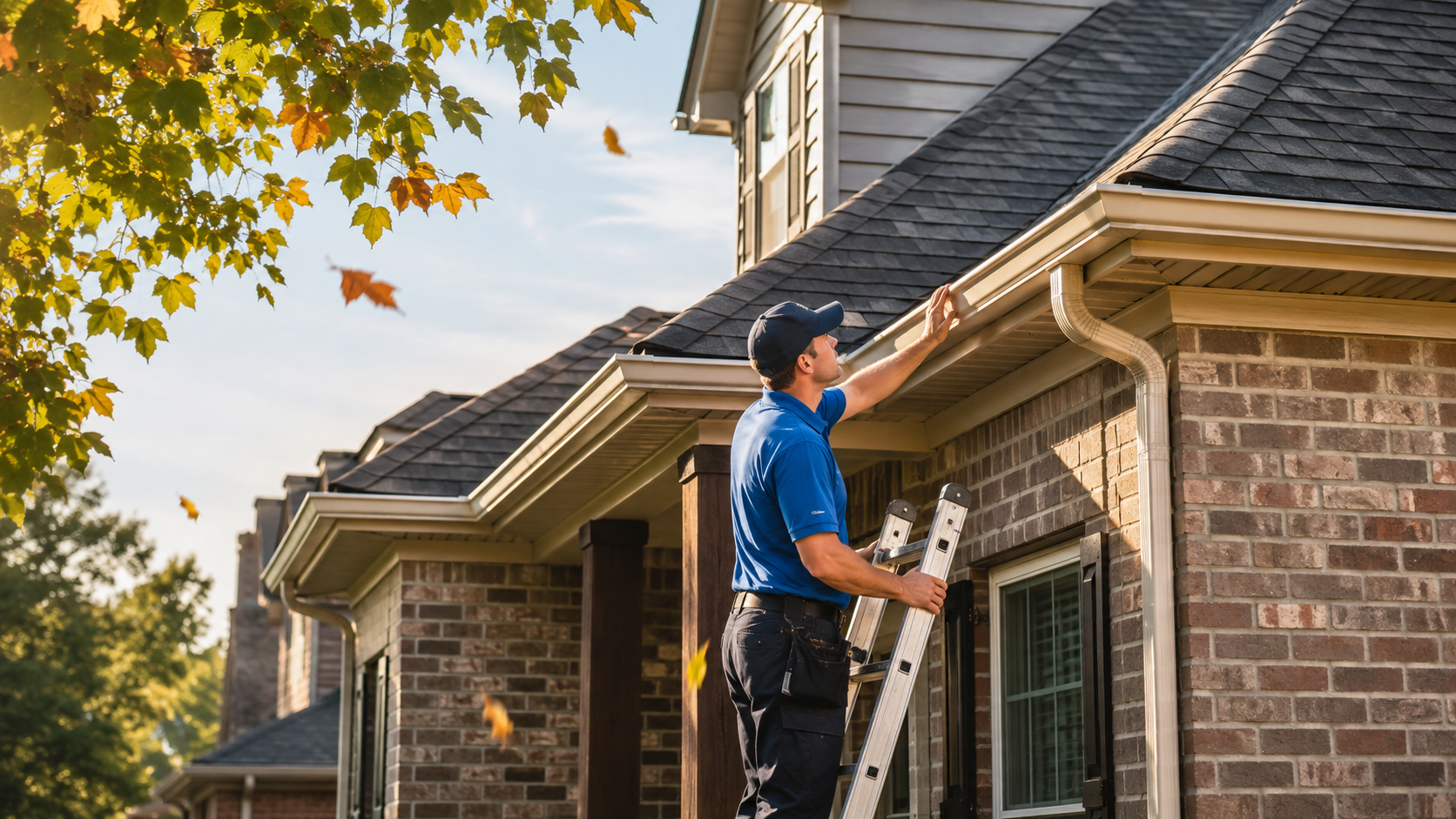
You do not need to climb onto your roof to look for problems. In fact, we don't recommend that homeowners walk across an extremely hot roof.
Many signs can be spotted from the ground, from an upstairs window, or around the home's gutter system.
Curling or Distorted Shingles
Shingles should generally lie flat against the roof.
If sections appear curled, raised, distorted, or noticeably different from surrounding shingles, the roof may need to be inspected.
Heat isn't necessarily the only possible cause. Age, ventilation issues, moisture, installation problems, and previous weather damage can also contribute.
That is why the visible symptom matters more than trying to diagnose the cause from the driveway.
Cracked or Damaged Shingles
Cracks create potential weak points in the roof's protective surface.
A cracked shingle does not automatically mean you need an entirely new roof, but multiple damaged shingles or widespread deterioration deserve attention.
Excessive Shingle Granules
Those little granules covering asphalt shingles aren't just decorative.
They help protect the asphalt from UV exposure.
Some granule loss is normal as a roof ages, and a small amount in a gutter does not automatically indicate a major problem.
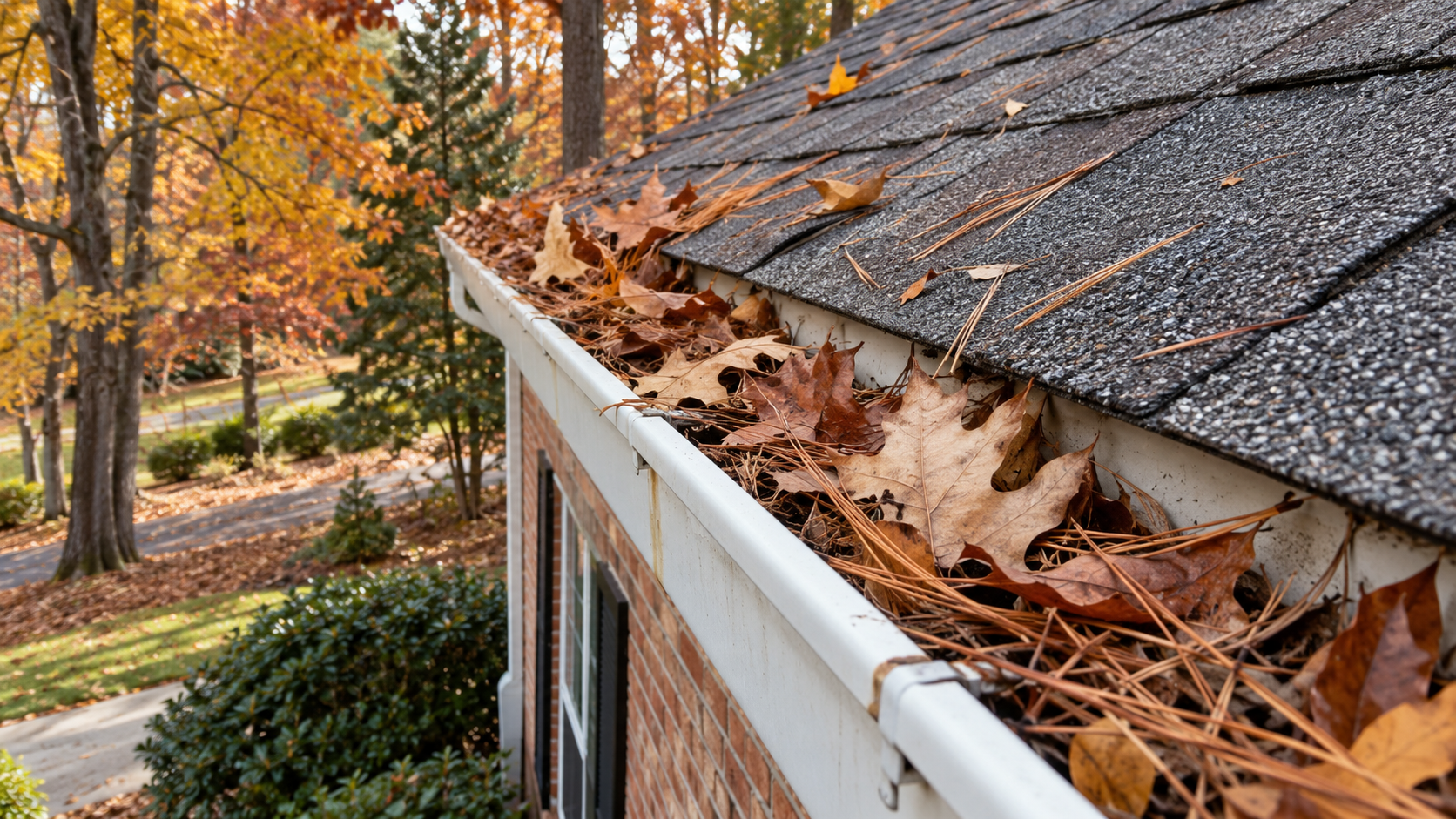
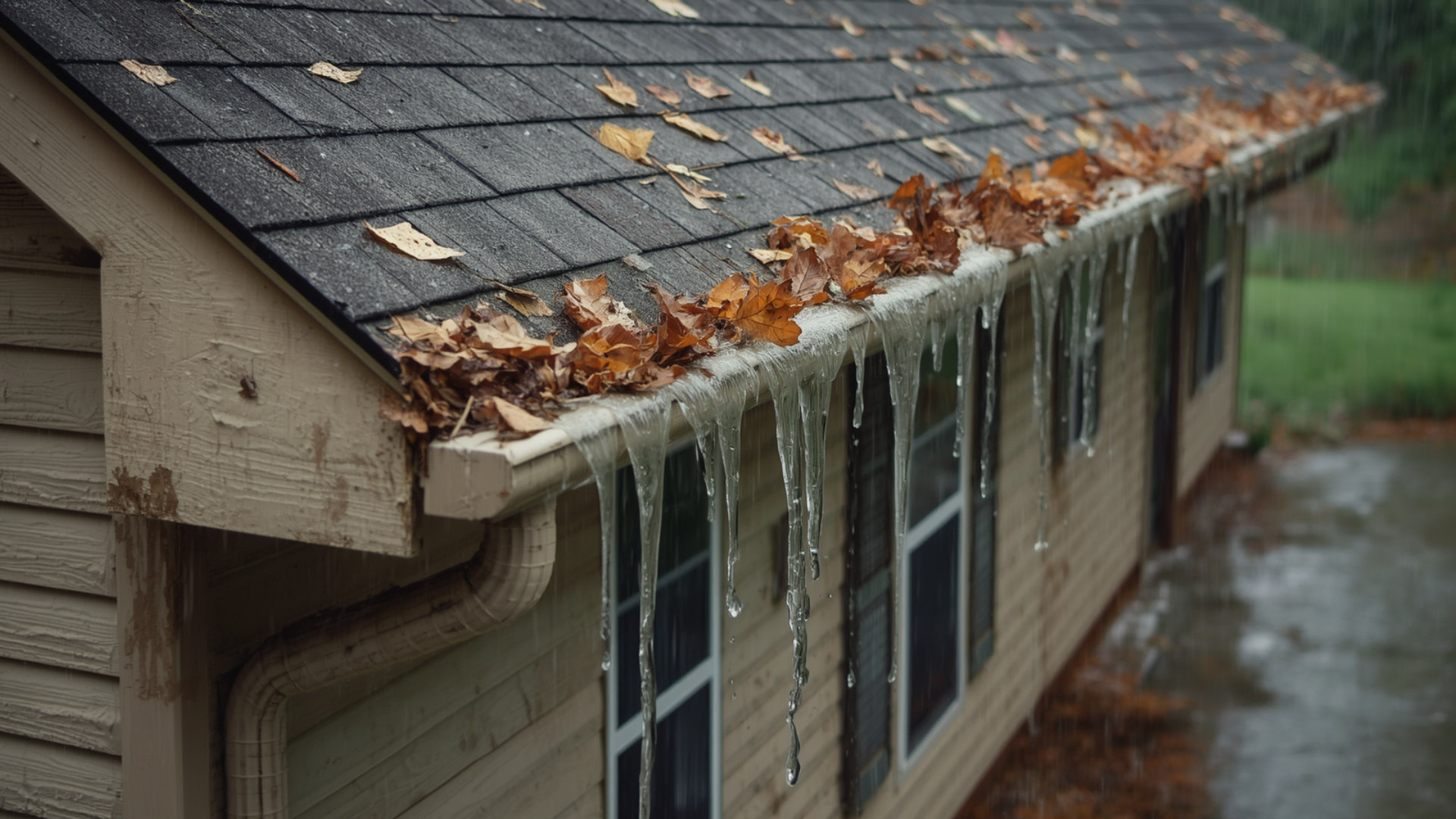
But if you suddenly notice a large amount of granules collecting in gutters or near downspout outlets, especially on an older roof, it may be worth finding out why.
Bare or Discolored Areas
Areas that look noticeably different from the rest of the roof can indicate wear.
Look for shingles that appear unusually smooth, faded, patchy, or exposed compared with surrounding areas.
Again, the goal isn't to diagnose the roof yourself. It's simply to recognize when something has changed.
Why Does Attic Ventilation Matter During an Arkansas Summer?
A properly designed attic ventilation system helps manage heat and moisture beneath the roof and can contribute to the long-term performance of the roof system.
Your shingles are only one part of your roof.
The roof system also includes the decking, underlayment, ventilation, flashing, insulation, and other components working together.
Owens Corning notes that proper attic ventilation can affect roof-system lifespan, comfort, future repair costs, and heating and cooling expenses.
A balanced ventilation system generally allows outside air to enter through lower intake vents and warmer air to exit through higher exhaust vents. Owens Corning describes this airflow through soffit and ridge or roof vents as part of a balanced attic ventilation system.
If ventilation isn't functioning properly, excessive heat and moisture can build up inside the attic.
Homeowners sometimes assume that every roofing problem begins on the outside. That's not always the case.
What is happening underneath the shingles matters too.
Can Summer Heat Cause a Roof Leak?
Heat itself may not produce an obvious leak, but deterioration or weakened roofing components can make a roof more vulnerable when rain and storms arrive.
This is one reason roof problems can be deceptive.
You may go through August without seeing a drop of water inside the house.
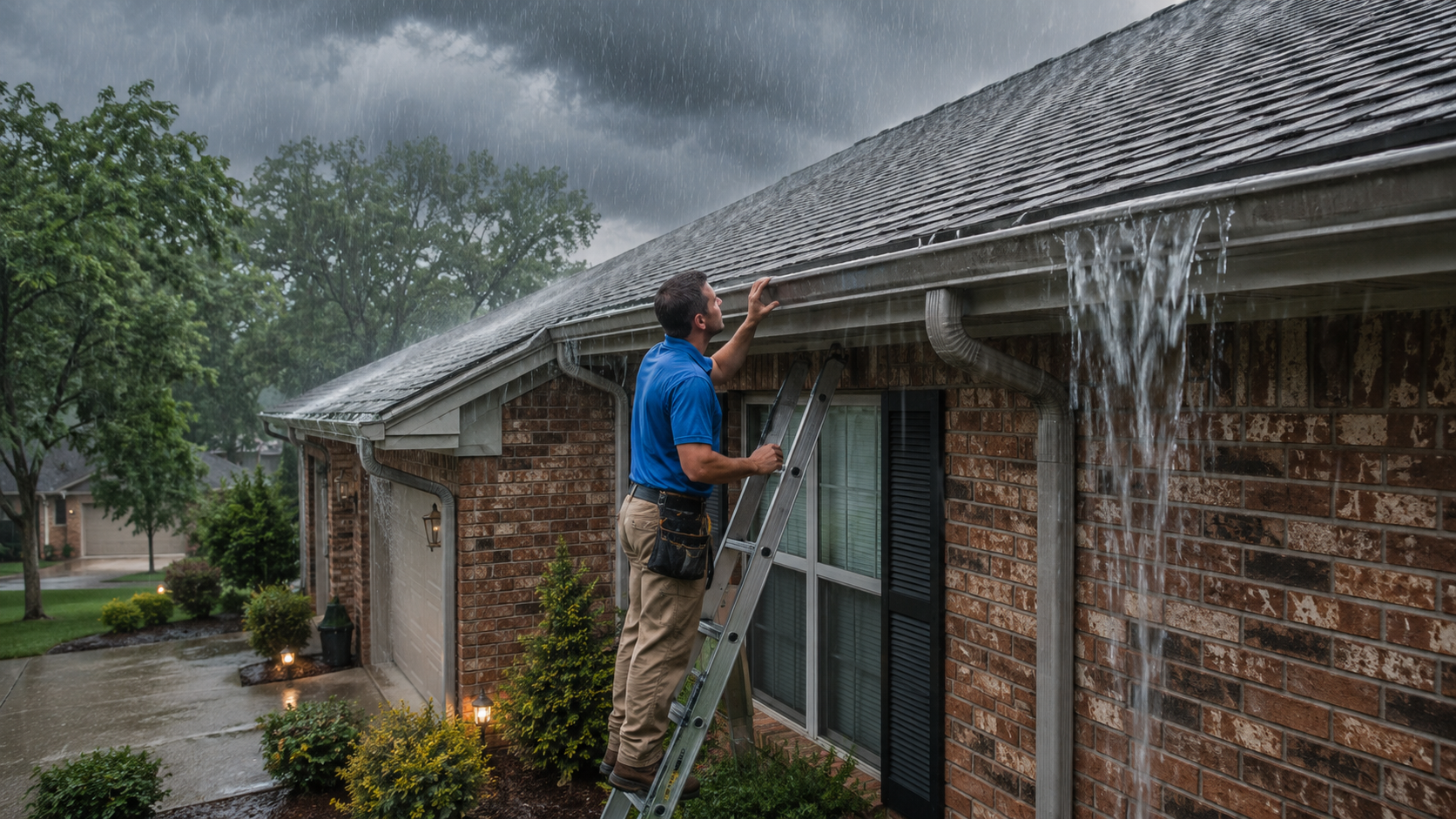
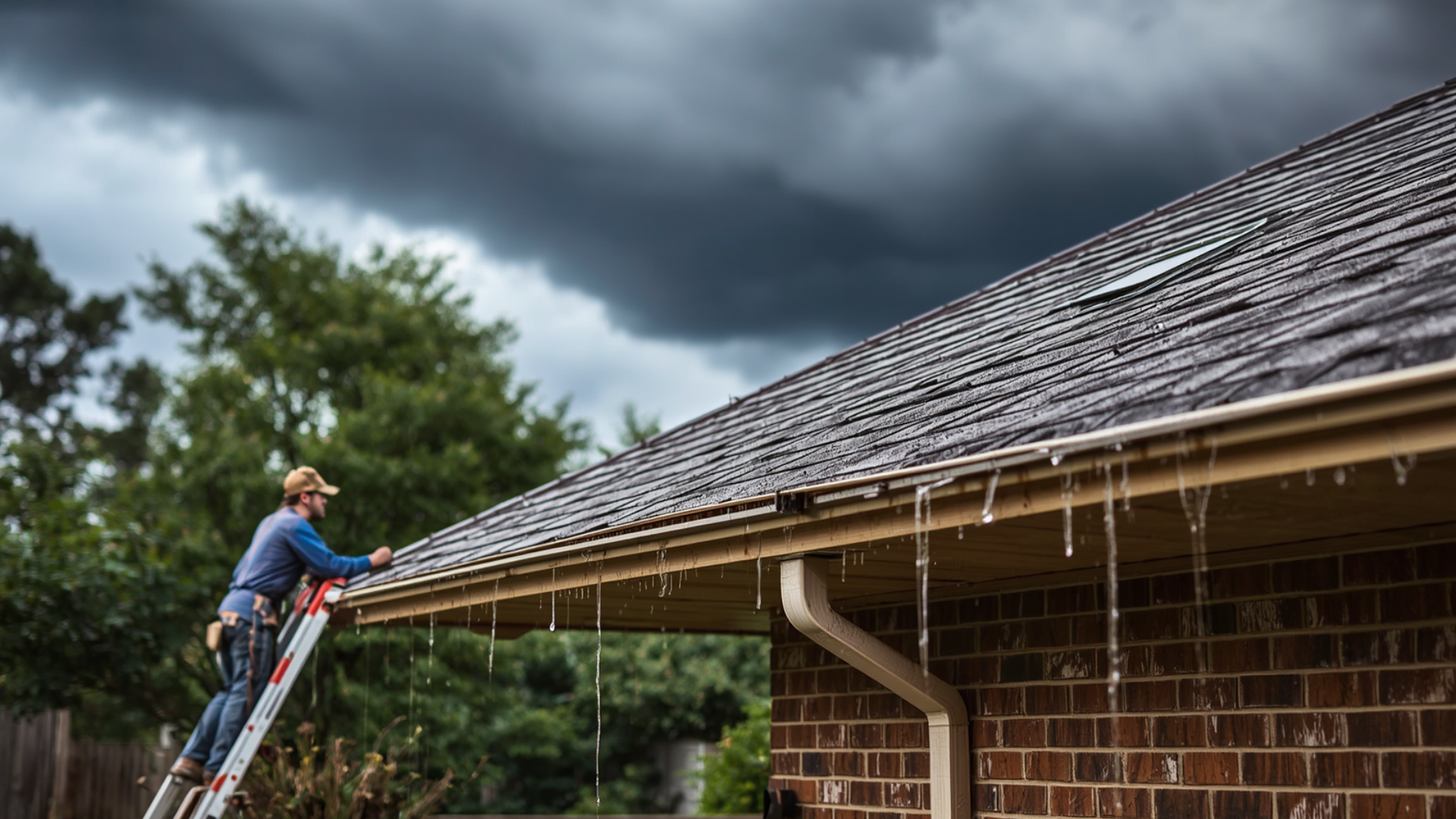
Then a heavy September thunderstorm arrives and suddenly there's a stain on the ceiling.
The storm may be when you discovered the problem, but the underlying weakness could have developed earlier.
Roofing systems fail at their weakest points. Those may include:
- worn shingles
- damaged flashing
- deteriorated pipe boots
- exposed fasteners
- previously damaged roofing material
- compromised seals
- roof penetrations
- valleys where water concentrates
That's why we don't recommend waiting for water to reach the living room before paying attention to roof condition.
A leak is often the result of a problem, not the first stage of one.
Why Central Arkansas Roofs Take a Beating
Central Arkansas roofs experience a combination of summer heat, UV exposure, humidity, heavy rainfall, thunderstorms, wind, and seasonal temperature changes.
The National Weather Service maintains extensive heat and climate information for Arkansas because significant summer heat is simply part of living here. Historical Little Rock climate records show how consistently hot Arkansas summers can become, while the state's weather extremes have included temperatures well above 100°F.
But heat is only part of the equation.
A Central Arkansas roof may go from baking in direct sun to being hit by a sudden thunderstorm.
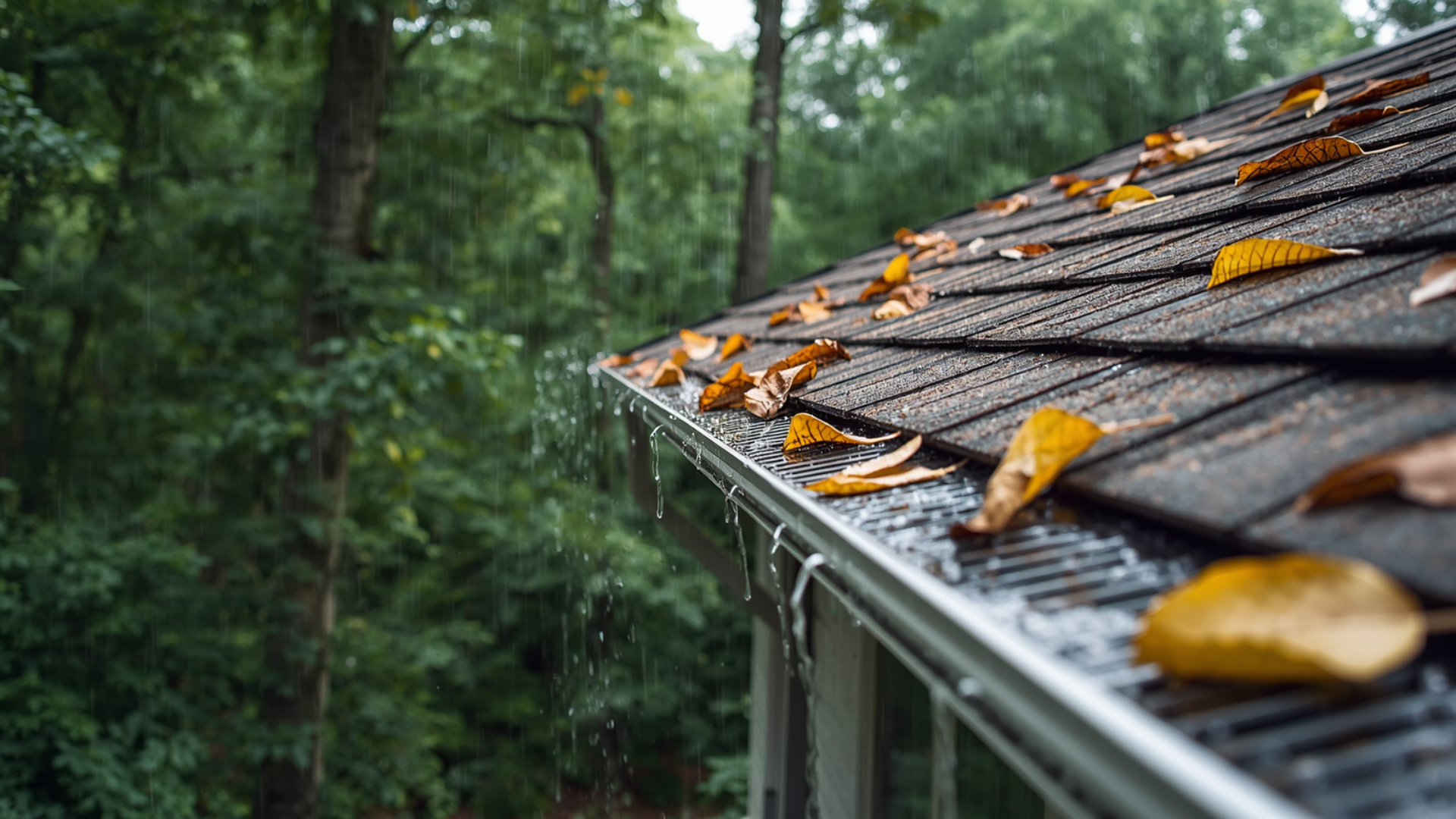
Later in the year, wind, falling limbs, leaves, and additional severe weather can add another layer of stress.
Homes in Little Rock, North Little Rock, Cabot, Jacksonville, Sheridan, and surrounding Central Arkansas communities all deal with variations of the same cycle.
That is why roof condition should be evaluated as a complete system rather than blaming every problem on one weather event.
How Can You Check Your Roof Without Climbing on It?
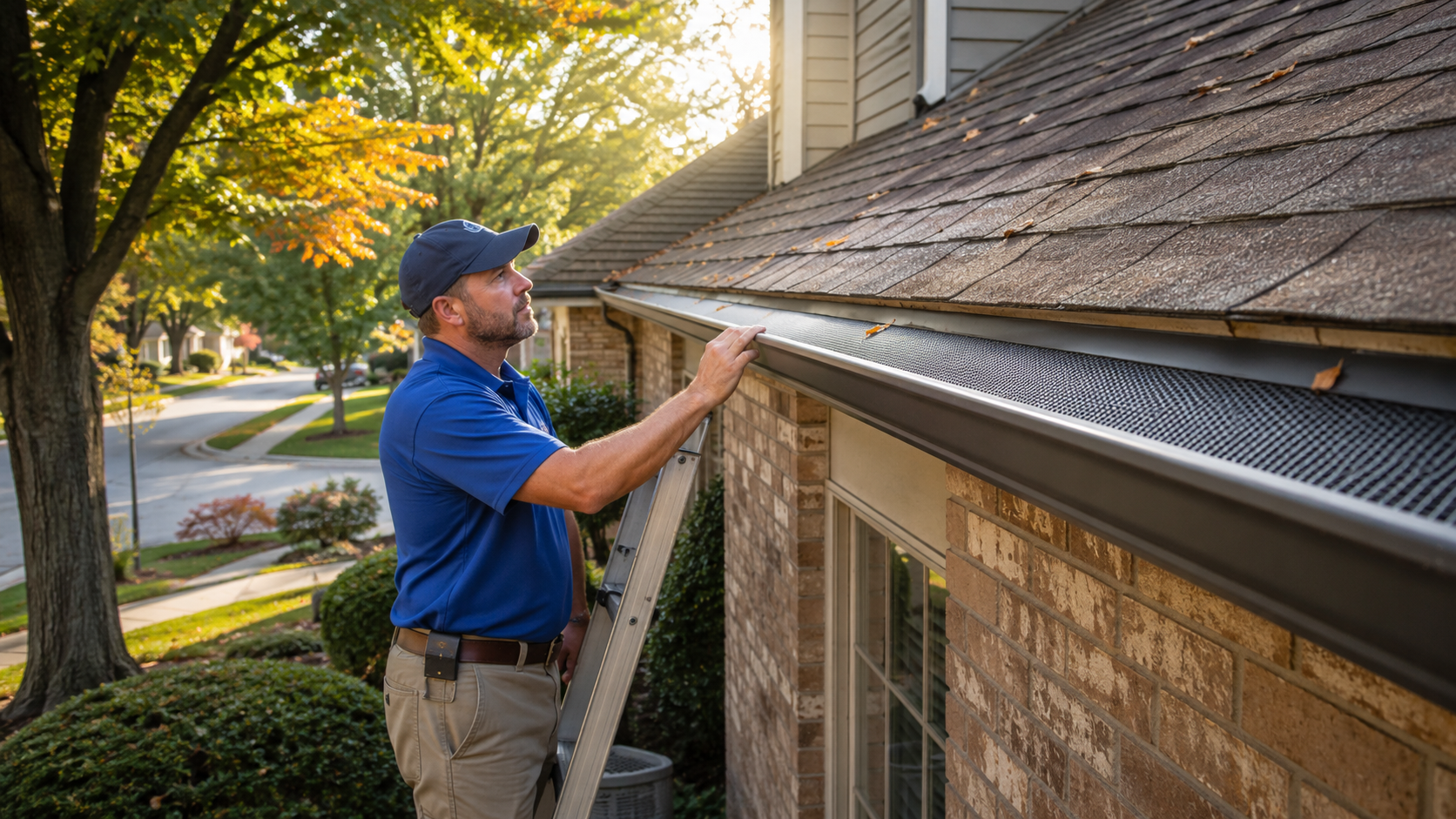
Start with a visual inspection from the ground and look for obvious changes in the roofline, shingles, gutters, flashing, and areas around the home where roofing debris may collect.
Here are a few things homeowners can safely watch for:
- shingles that appear lifted, curled, cracked, or missing
- uneven-looking areas of the roof
- excessive granules collecting near downspouts
- pieces of roofing material in the yard
- damaged or loose flashing visible from the ground
- stains appearing on ceilings or walls
- musty smells or moisture in the attic
- gutters pulling away from the fascia
- unexplained water stains around roof penetrations
Binoculars can be surprisingly useful if you want a closer view from the ground.
What we don't recommend is climbing onto a steep roof to investigate.
Roof surfaces can be dangerous under normal conditions. Add intense Arkansas summer heat and there's very little upside to playing amateur roofer.
Should You Have Your Roof Inspected After a Very Hot Arkansas Summer?
An inspection can make sense when a roof is older, already showing signs of wear, has experienced previous storm damage, or has developed visible changes during the summer.
Not every home needs a professional inspection simply because August was hot.
We would pay closer attention when:
- the roof is approaching the later years of its expected service life
- shingles are visibly curling or cracking
- you've noticed significant granule accumulation
- there has been previous hail or wind damage
- the home has experienced roof leaks before
- you're seeing staining or moisture indoors
- sections of the roof look noticeably different than they did earlier
- you simply don't know the roof's current condition
The purpose of an inspection isn't automatically to sell someone a new roof.
Sometimes the answer is that the roof looks fine.
Sometimes a relatively small repair can address a problem before water gets inside.
And sometimes an aging roof is telling you that it's time to start planning.
Knowing which situation you're dealing with is a lot more useful than guessing.
What Should a Professional Roof Inspection Look At?
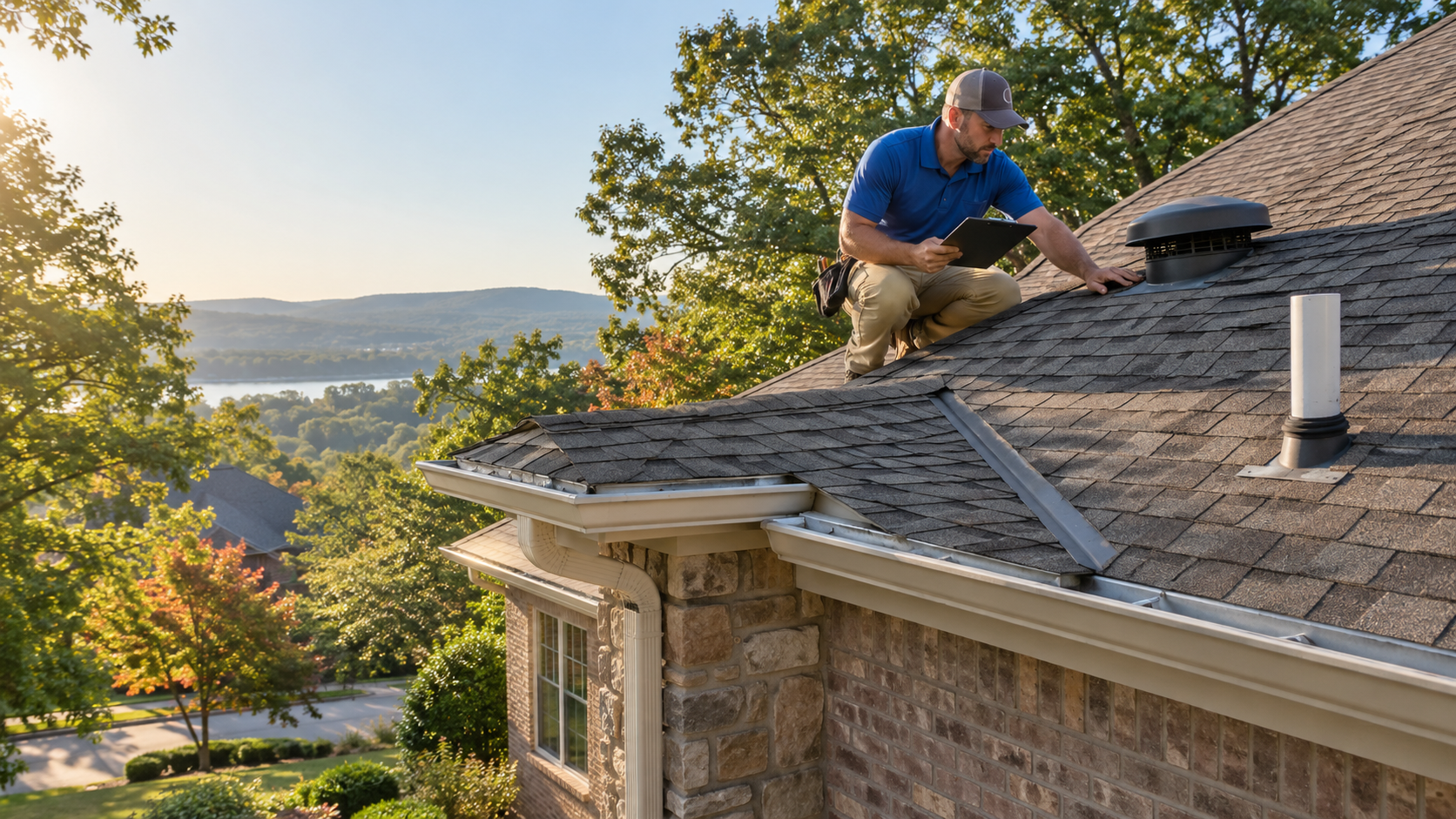
A roof inspection should evaluate more than whether shingles are missing. It should consider the visible roofing surface along with vulnerable areas such as flashing, penetrations, valleys, vents, gutters, and other components that help move water away from the home.
Depending on the house and roof design, we may look for issues involving:
- shingle condition
- granule loss
- flashing
- roof valleys
- vents
- pipe boots
- penetrations
- exposed or damaged fasteners
- fascia
- gutters and drainage
- signs of previous repairs
- areas where water may be entering
The objective is to understand the roof's overall condition, not simply find one damaged shingle.
Frequently Asked Questions
Can 100-degree weather damage roof shingles?
High air temperatures combined with direct sunlight can produce much higher temperatures on the roof surface. Traditional dark asphalt roofs can reach around 150°F under strong summer sun, according to information cited by GAF. Prolonged heat and UV exposure are factors that can affect roofing materials over time.
Does one extremely hot summer ruin a roof?
Usually, no. A roof's condition depends on its age, materials, installation, ventilation, previous weather exposure, maintenance, and other factors. Heat is better understood as one contributor to long-term wear rather than an automatic cause of sudden roof failure.
Why are there shingle granules in my gutters?
Some granule loss is normal as asphalt shingles age. Granules help protect shingles from UV exposure, however, so unusually heavy granule accumulation can be a reason to inspect the roof more closely.
Can poor attic ventilation damage a roof?
Improper ventilation can contribute to excessive attic heat and moisture. Proper ventilation is an important part of the overall roof system and can affect roof-system longevity and home comfort.
Can heat damage happen without causing a leak?
Yes. Roofing materials can deteriorate without immediately allowing water into the home. A weakness may become obvious later when heavy rain or wind exposes the vulnerable area.
Should I inspect my roof before fall?
Late summer can be a practical time to look at the roof's condition, particularly if it is older or showing visible wear. Finding a problem before heavier fall weather arrives gives homeowners more information and more options.
Can I inspect my own roof?
You can perform a basic visual inspection safely from the ground. Look for missing, curled, cracked, or irregular shingles and roofing debris around the property. A close roof inspection should generally be left to someone with the equipment and experience to access the roof safely.
Have Questions About Your Roof After Another Arkansas Summer?
If something about your roof doesn't look right, you don't have to wait for a leak to find out what's going on.
At MT's Gutters & Roofing, we help homeowners throughout Little Rock, North Little Rock, Cabot, Jacksonville, Sheridan, and surrounding Central Arkansas communities with roof inspections, roof repairs, storm damage checks, gutters, and other roofing needs.
If you're concerned about what another long Arkansas summer may have done to an aging or already-damaged roof, contact our team to request an inspection or estimate.