What Should a Roof Inspection Actually Include? A Checklist for Central Arkansas Homeowners
Key Takeaways:
- A professional roof inspection should evaluate the entire roofing system, not just look for missing shingles.
- Important areas include shingles, flashing, roof valleys, vents, pipe penetrations, roof edges, gutters, fascia, and drainage.
- Flashing and roof penetrations deserve special attention because they are common places for water intrusion to develop.
- The attic or interior of the home can reveal water stains, moisture, sagging decking, mold, or other clues that are not visible from outside.
- Gutters and downspouts are part of the roof's water-management system and should be checked for damage, sagging, blockage, and proper drainage.
- A good inspection should help you understand what was found, what needs attention now, and what can simply be monitored.
- An inspection should not automatically lead to a recommendation for a full roof replacement.
Most homeowners know what a roof inspection is supposed to accomplish.
You want someone to look at the roof and tell you whether there is a problem.
But what exactly should they be looking at?
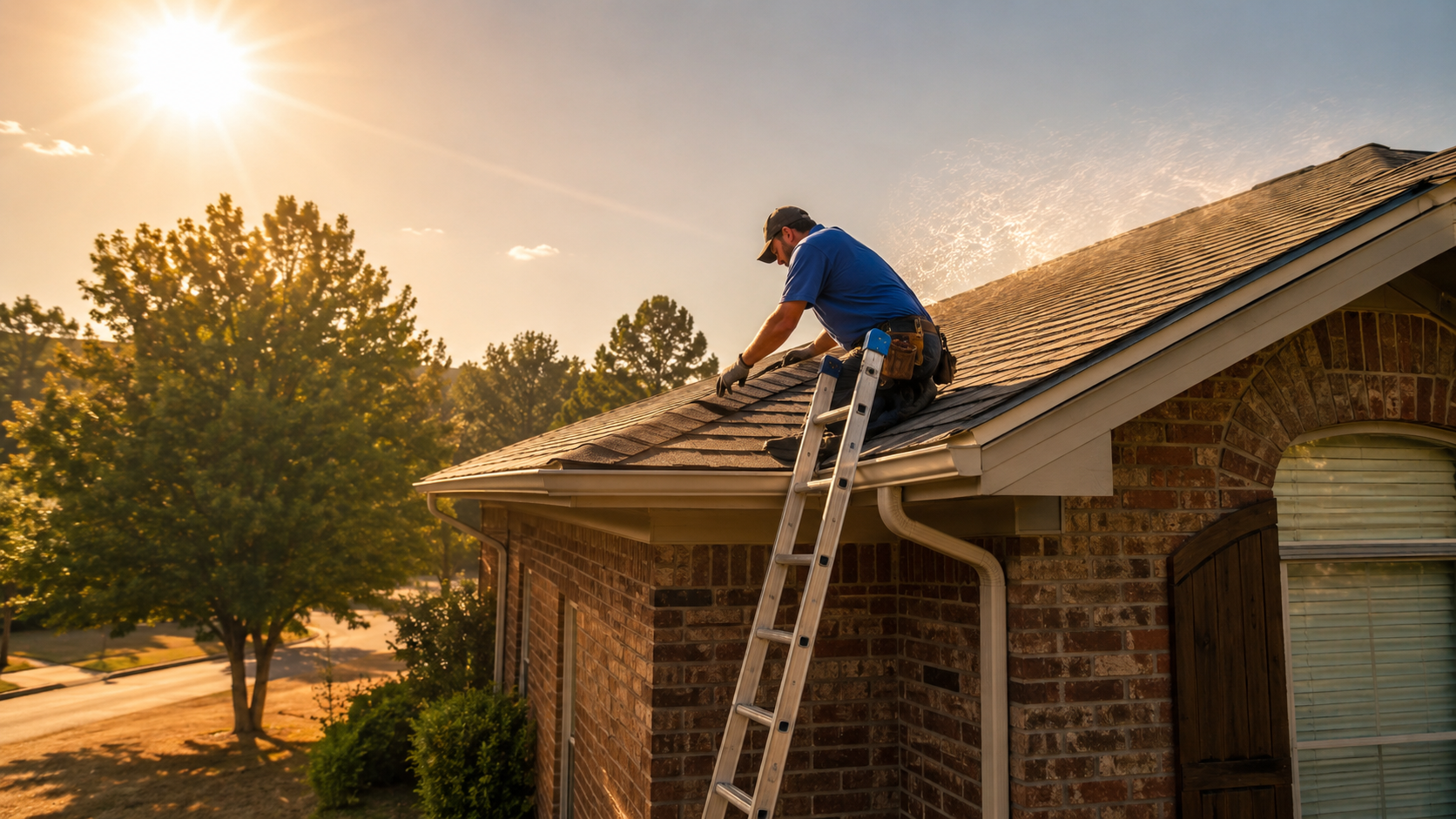
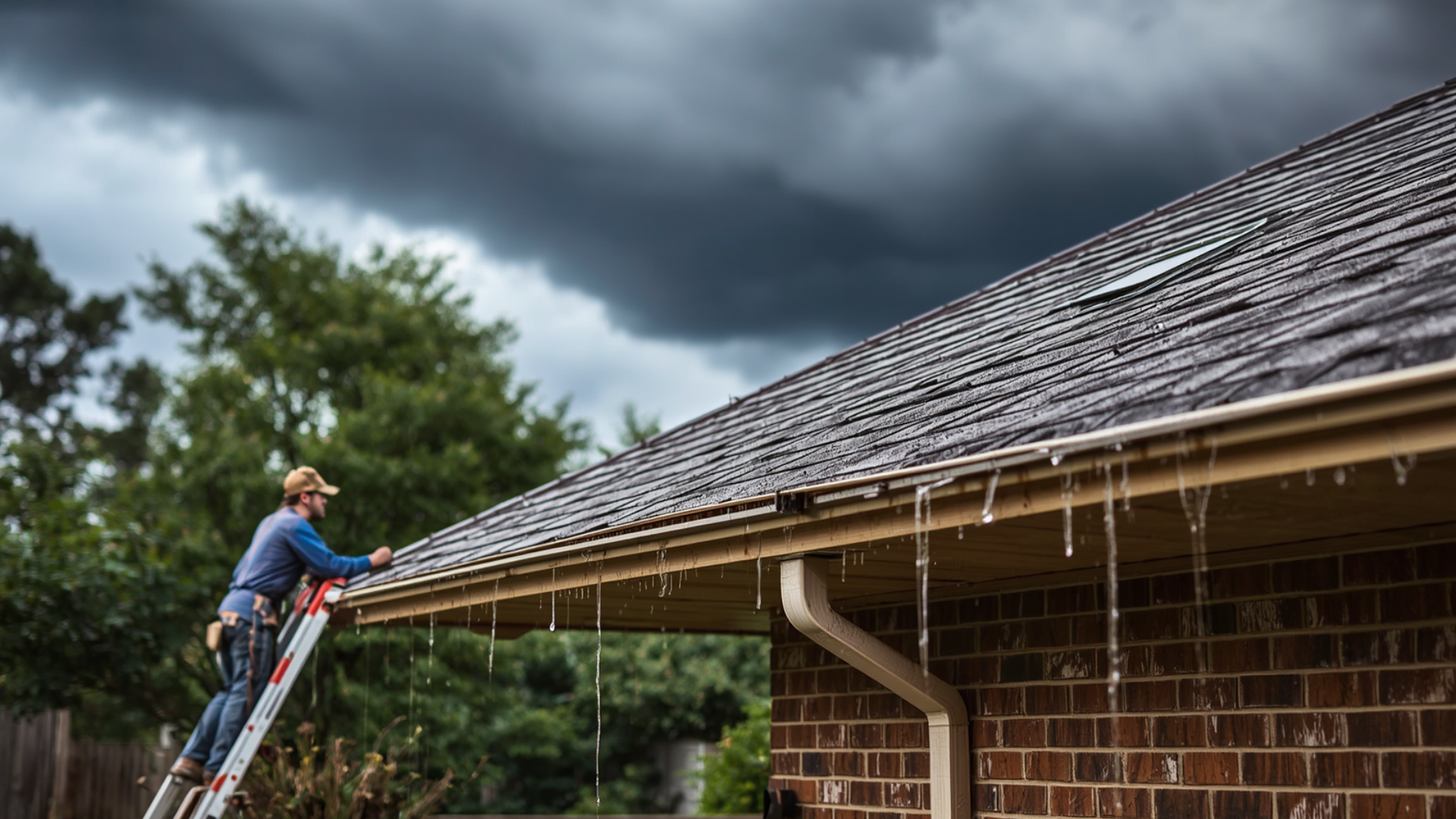
A proper roof inspection should evaluate the condition of the entire roofing and drainage system, including shingles, flashing, valleys, roof penetrations, vents, gutters, fascia, and any visible evidence of moisture or structural problems.
It should also give you something more useful than, "Yep, you've got a roof."
At MT's Gutters & Roofing, we believe a homeowner should understand what was inspected, what was found, and whether anything actually needs to be repaired.
What Should a Professional Roof Inspection Include?
A professional roof inspection should examine the visible roof surface, vulnerable water-entry points, roof edges, drainage components, and—when appropriate and accessible—the attic or interior for signs of moisture.
Manufacturers such as GAF recommend checking shingles, flashing, penetrations, vents, gutters, fascia, and interior areas for signs of water intrusion or deterioration.
For a typical Central Arkansas asphalt-shingle roof, that means looking at several different parts of the system.
1. What Should Be Checked on the Shingles?
The inspection should look for missing, cracked, curled, torn, loose, buckled, or excessively worn shingles.
Shingles are the most visible part of your roof, so this is where many homeowners assume the inspection begins and ends.
It shouldn't.
Still, their condition tells us a lot.
We look for things such as:
- missing shingles
- lifted or loose shingles
- curling edges
- cracking
- tears
- excessive granule loss
- exposed fasteners
- uneven or damaged areas
- signs of previous repairs
- changes in color or texture that may indicate wear
GAF specifically recommends checking for cracked, torn, warped, or missing shingles along with popped or rusted nails.
Why Does Granule Loss Matter?
The granules on asphalt shingles help protect the roofing material from sunlight and weather.
Some granule loss is normal as a roof ages.
But unusually bare areas or large amounts of granules collecting in gutters can be a sign that the roof deserves a closer look.
2. Should Roof Flashing Be Inspected?
Absolutely. Flashing is one of the most important parts of a roof inspection because it protects joints and transitions where water is more likely to find its way into the home.
Flashing is commonly installed around:
- chimneys
- walls
- dormers
- valleys
- skylights
- roof penetrations
- other areas where roof surfaces meet
GAF identifies flashing and roof penetrations as important inspection points because these areas are especially vulnerable to leaks if seals, metal components, or installation details fail.
During an inspection, we may look for:
- loose flashing
- lifted edges
- cracks
- corrosion
- failed sealant
- exposed fasteners
- gaps
- previous patchwork
- signs water may be getting underneath
A roof can have perfectly decent shingles and still leak because of a small flashing problem.
That's why looking only at the shingles isn't enough.
3. What Are Pipe Boots and Why Should They Be Checked?
Pipe boots seal the areas where plumbing vent pipes pass through the roof, and deterioration around them can create a common leak point.
These are easy components for homeowners to overlook.
A pipe may look harmless from the yard, but the rubber or flashing around its base can deteriorate over time.
During an inspection, we look for:
- cracked rubber
- gaps around the pipe
- loose flashing
- exposed nails
- deteriorated sealant
- signs of previous leaking
Roof penetrations need to remain properly sealed because water naturally finds small openings.
A leak doesn't need a dramatic hole in the roof.
Sometimes it just needs one failed seal.
4. Should Roof Valleys Be Included in an Inspection?
Yes. Roof valleys should receive close attention because they collect and channel water from multiple roof slopes.
When it rains, valleys can carry a significant amount of runoff.
That makes them particularly important on homes with more complicated roof designs.
An inspection should look for:
- worn shingles
- damaged valley material
- debris buildup
- improper repairs
- exposed fasteners
- signs of previous water intrusion
- areas where roofing materials are lifting or deteriorating
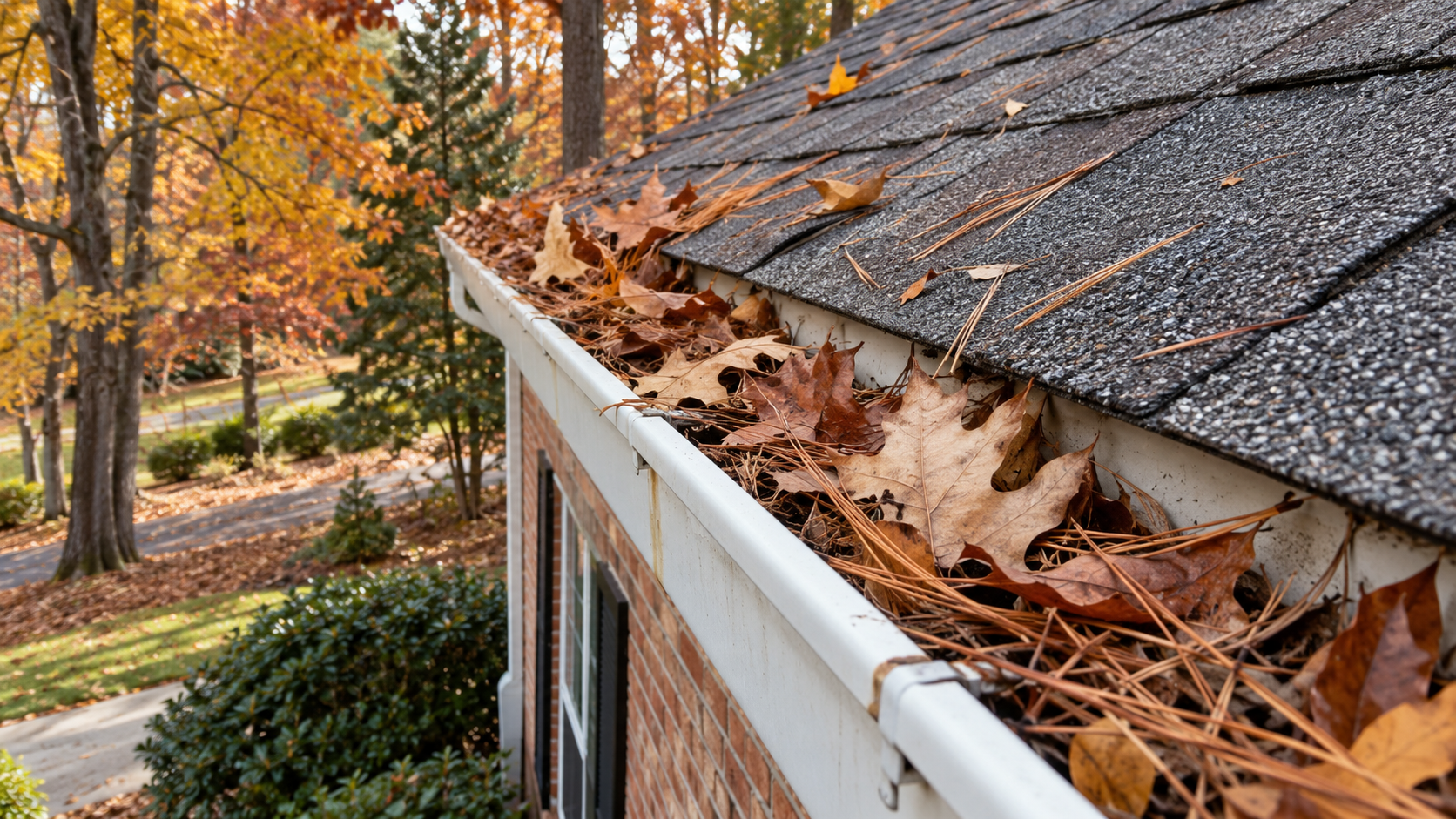
If leaves or pine needles collect in a valley, they can also hold moisture and interfere with normal drainage.
5. Should Roof Vents Be Inspected?
Yes. Roof vents should be checked for damage, blockage, loose components, failed seals, and other conditions that could affect ventilation or allow water into the roof.
Depending on the home, the roof may include:
- ridge vents
- box vents
- turbine vents
- powered attic vents
- plumbing vents
GAF recommends checking that roof vents are not blocked or clogged during an inspection.
The vent itself isn't the only concern.
The flashing and seal around the vent also need to be in good condition.
6. Should the Gutters Be Part of a Roof Inspection?
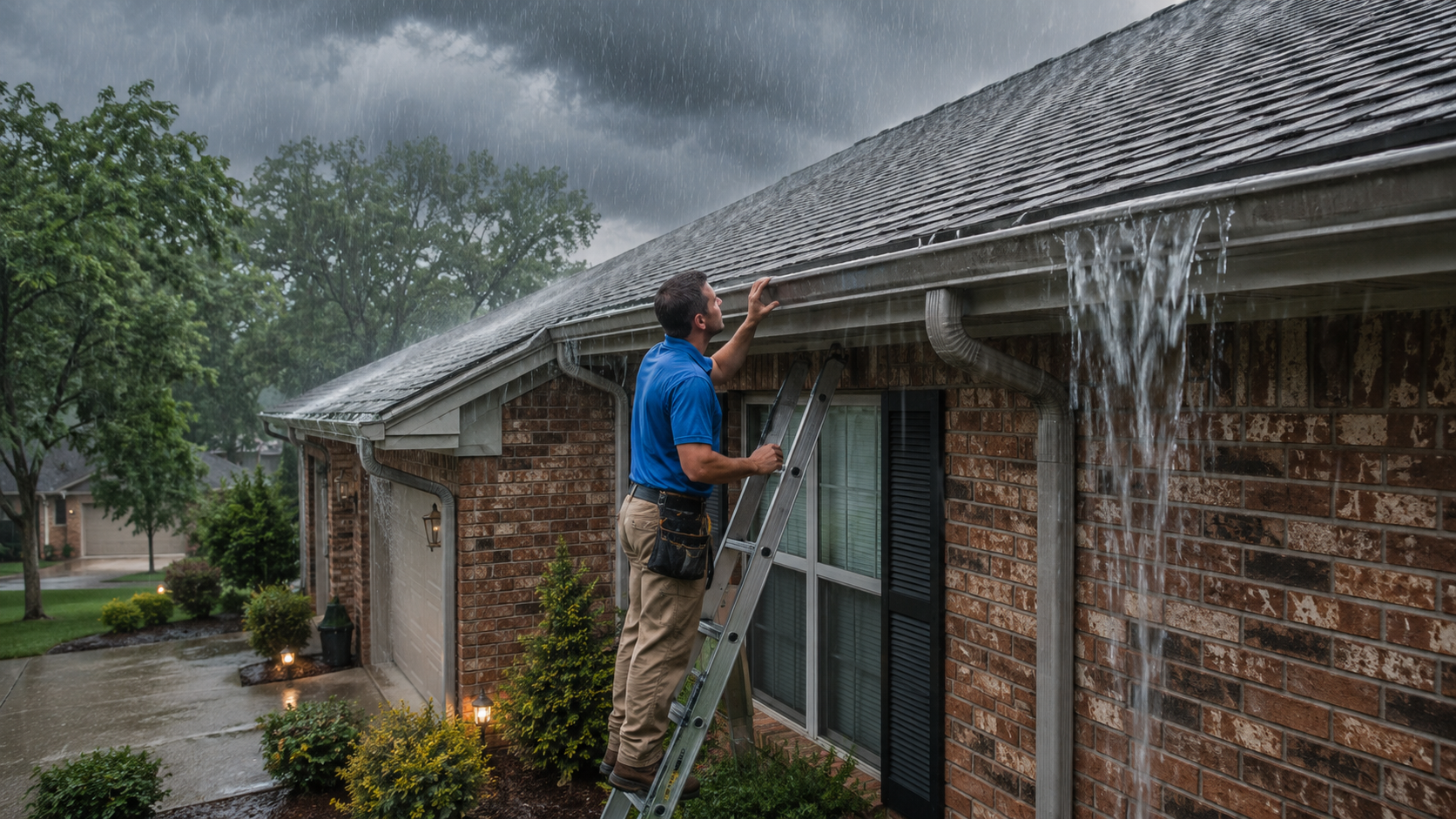
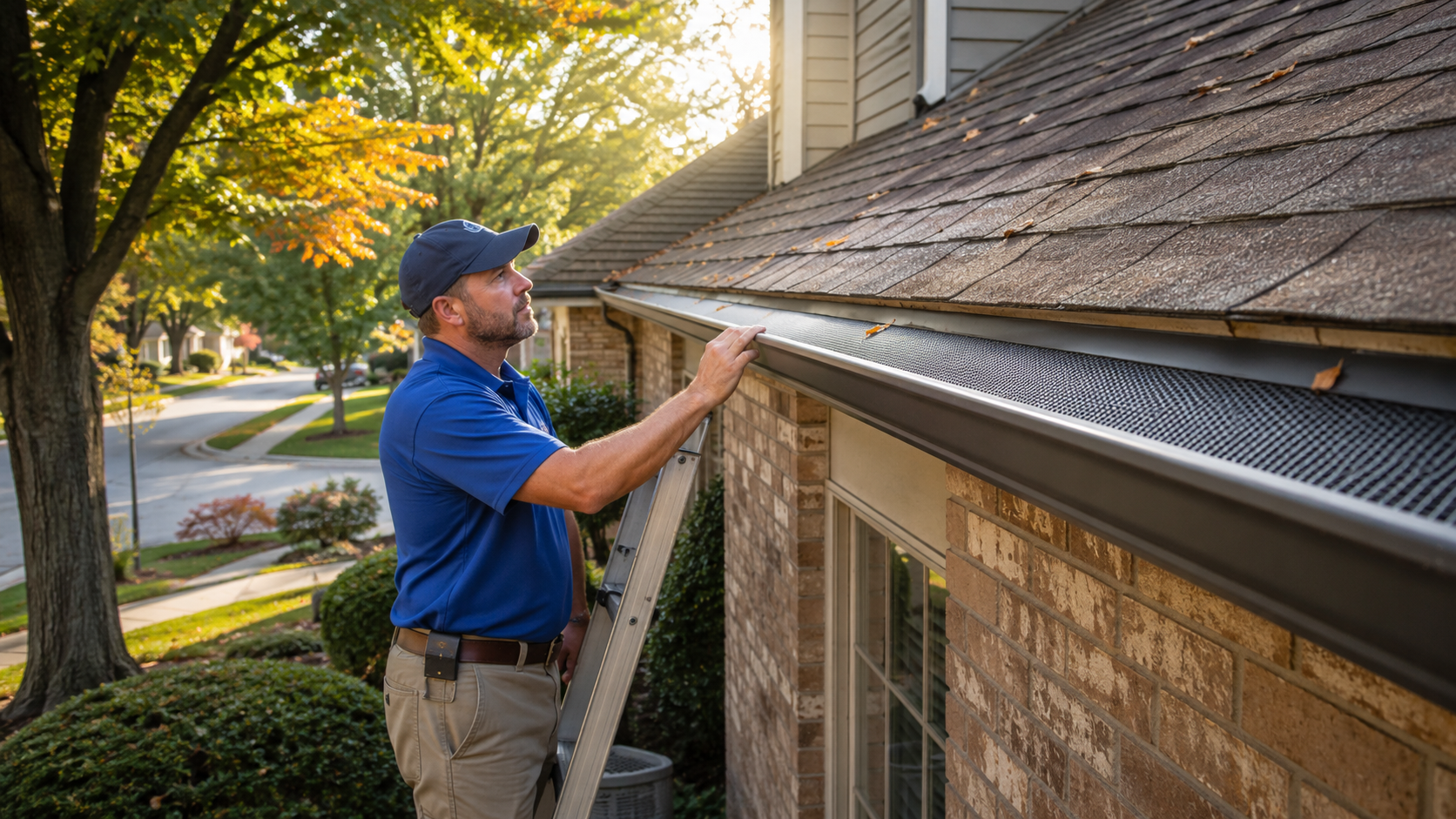
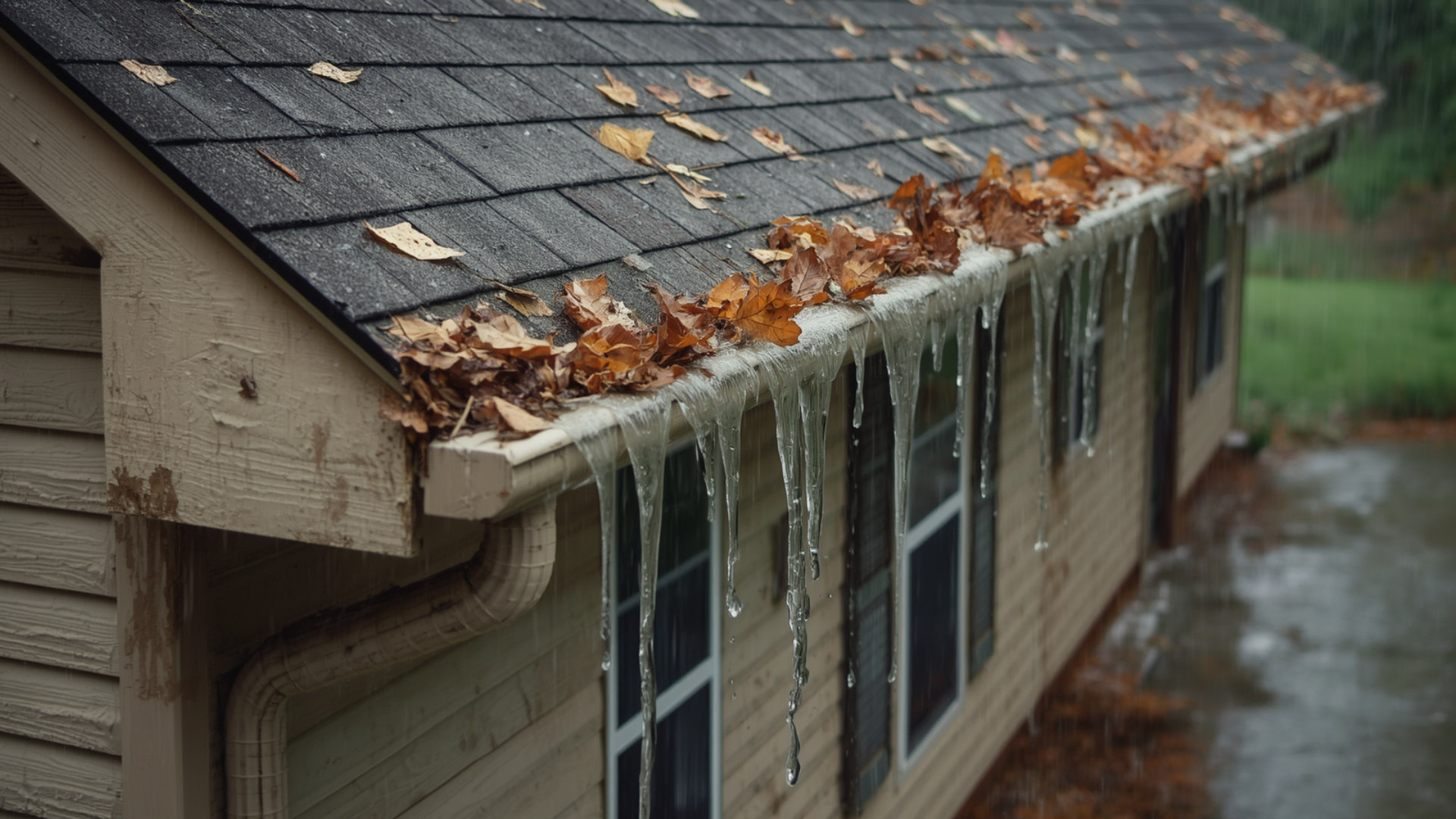
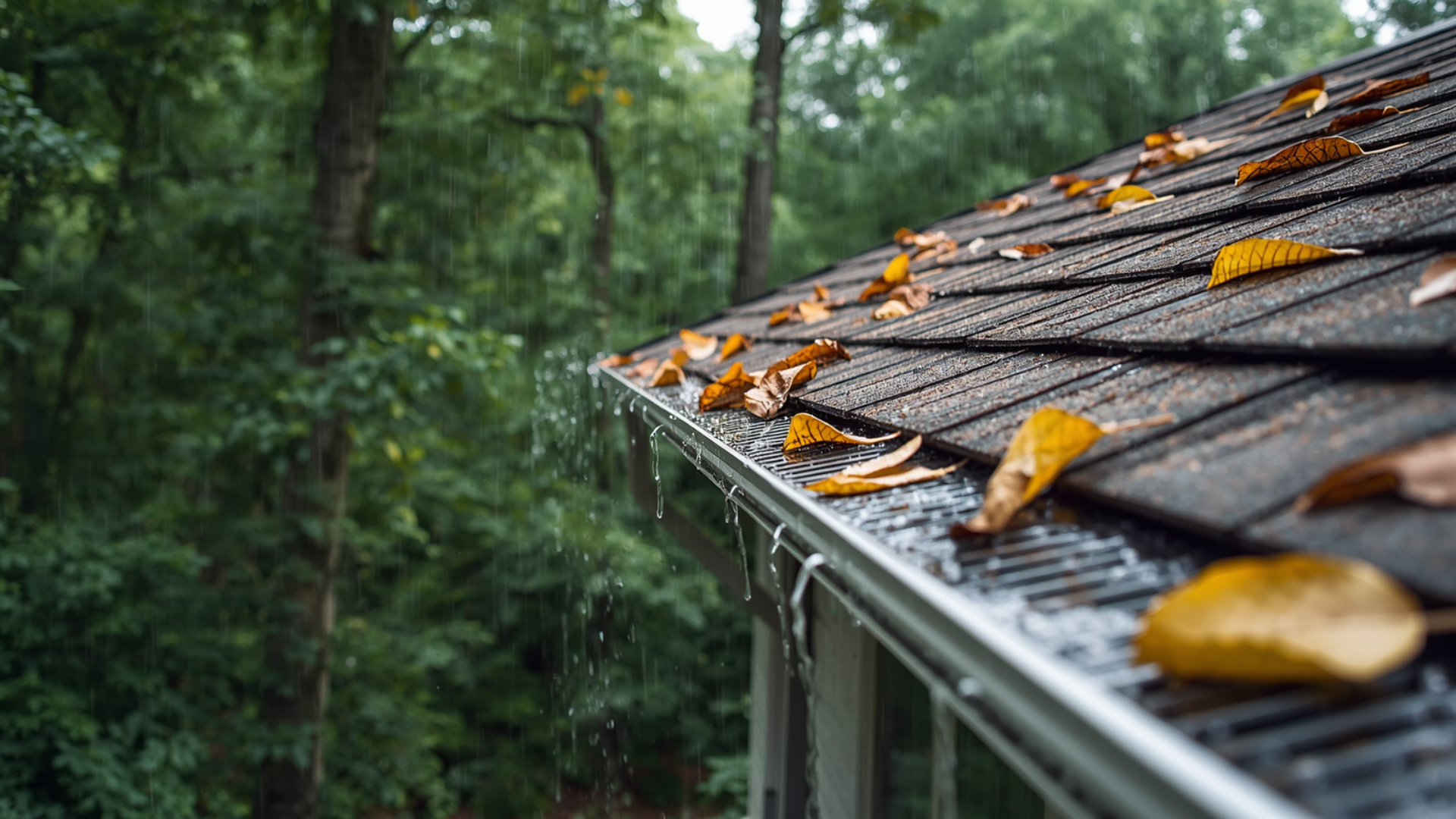
Yes. Gutters and downspouts are part of the same water-management system as the roof and can provide valuable clues about roof condition and drainage problems.
A roof's job is to shed water.
The gutter system's job is to take that water and move it away.
During an inspection, gutters may be checked for:
- sagging
- loose sections
- standing water
- debris
- damaged seams
- granule accumulation
- improper slope
- leaking joints
- blocked outlets
- damaged downspouts
GAF includes gutters, downspouts, fascia, and drainage among the areas homeowners and inspectors should evaluate.
If a gutter is overflowing, pulling away from the fascia, or sending water behind the roof edge, we want to know why.
7. Should Fascia and Soffits Be Checked?
Yes. Fascia and soffits can reveal moisture problems that may not be obvious from looking at the shingles alone.
The fascia is the board along the roof edge where gutters are commonly attached.
Soffits are located underneath the roof overhang.
During an inspection, we may look for:
- rot
- staining
- soft wood
- peeling paint
- gaps
- damage from animals
- signs of repeated water exposure
GAF recommends looking at the underside of eaves and fascia for deterioration and other damage.
A damaged fascia board can also affect how securely the gutter system stays attached.
8. Should the Roof Deck Be Evaluated?
When there are signs of sagging, moisture, leaks, or other concerns, the condition of the roof deck may need to be evaluated from the attic or another accessible location.
The roof deck is the structural surface underneath the roofing materials.
Possible warning signs include:
- sagging
- dark stains
- moisture
- deteriorated wood
- visible daylight
- signs of past leaks
A roof can sometimes look acceptable from outside while moisture damage is developing underneath.
That is why an inspection may need to consider both sides of the roof system.
9. Should the Attic Be Part of a Roof Inspection?
When accessible and appropriate, the attic can provide important evidence of leaks, moisture, ventilation issues, and roof-deck problems.
GAF recommends checking attic areas for leaks, dark spots, holes, sagging sheathing, mold, mildew, and other signs of moisture.
Depending on the home and type of inspection, we may look for:
- water stains
- damp wood
- active leaks
- mold or mildew
- damaged decking
- visible daylight
- ventilation conditions
- unusual moisture patterns
Not every roof inspection requires a full attic investigation.
But if there are signs of leaking or unexplained moisture inside the home, the attic can provide valuable information.
10. Should Chimneys and Skylights Be Checked?
Yes. Any opening or penetration through the roof deserves attention because those areas depend heavily on flashing and seals to keep water out.
That includes:
- chimneys
- skylights
- vent pipes
- satellite mounting points
- roof-mounted equipment
For chimneys, the inspection may also reveal problems involving mortar, flashing, or sealant.
For skylights, we look for signs of deterioration around the perimeter and flashing.
The basic rule is simple:
Anywhere something passes through or interrupts the roof surface deserves a closer look.
Can a Roof Inspection Find a Leak Before Water Reaches the Ceiling?
Sometimes. An inspection may identify damaged roofing components or vulnerable areas before an active interior leak becomes obvious.
That's one of the biggest reasons inspections can be useful.
The first visible ceiling stain isn't necessarily the beginning of the problem.
It's simply when the problem finally became impossible to ignore.
Potential warning signs can appear earlier:
- cracked flashing
- deteriorated pipe boots
- lifted shingles
- exposed fasteners
- damaged valleys
- deteriorated seals
- moisture in the attic
Finding one of those doesn't guarantee a leak would have happened.
But it gives you an opportunity to address a problem before waiting to find out the hard way.
What Can a Homeowner Check From the Ground?
Homeowners can safely perform a basic visual check from the ground, but they should avoid climbing onto a steep or damaged roof.
You can look for:
- missing shingles
- visibly lifted shingles
- sagging areas
- debris on the roof
- damaged gutters
- loose downspouts
- roof material in the yard
- water stains on ceilings
- granules near downspout outlets
GAF specifically notes that homeowners can conduct a useful visual inspection from the ground with binoculars if they are not comfortable accessing the roof.
That's the smart approach.
A roof inspection shouldn't turn into an emergency-room inspection.
What Should You Receive After a Roof Inspection?
At minimum, you should understand what was found, where the problem is located, how serious it appears to be, and what—if anything—should happen next.
A useful inspection should separate findings into categories.
Needs Attention Now
Examples might include:
- active leaks
- missing shingles
- open flashing
- damaged pipe boots
- significant storm damage
Should Be Repaired Soon
These could include developing problems that aren't yet causing immediate water intrusion.
Monitor
Not every imperfection requires immediate work.
Some aging or cosmetic conditions simply need to be watched.
No Action Needed
This one matters too.
If the roof is doing its job and no meaningful problem is found, homeowners should know that.
A roof inspection should provide information first.
This is paragraph text. Click it or hit the Manage Text button to change the font, color, size, format, and more. To set up site-wide paragraph and title styles, go to Site Theme.
Why Roof Inspections Matter in Central Arkansas
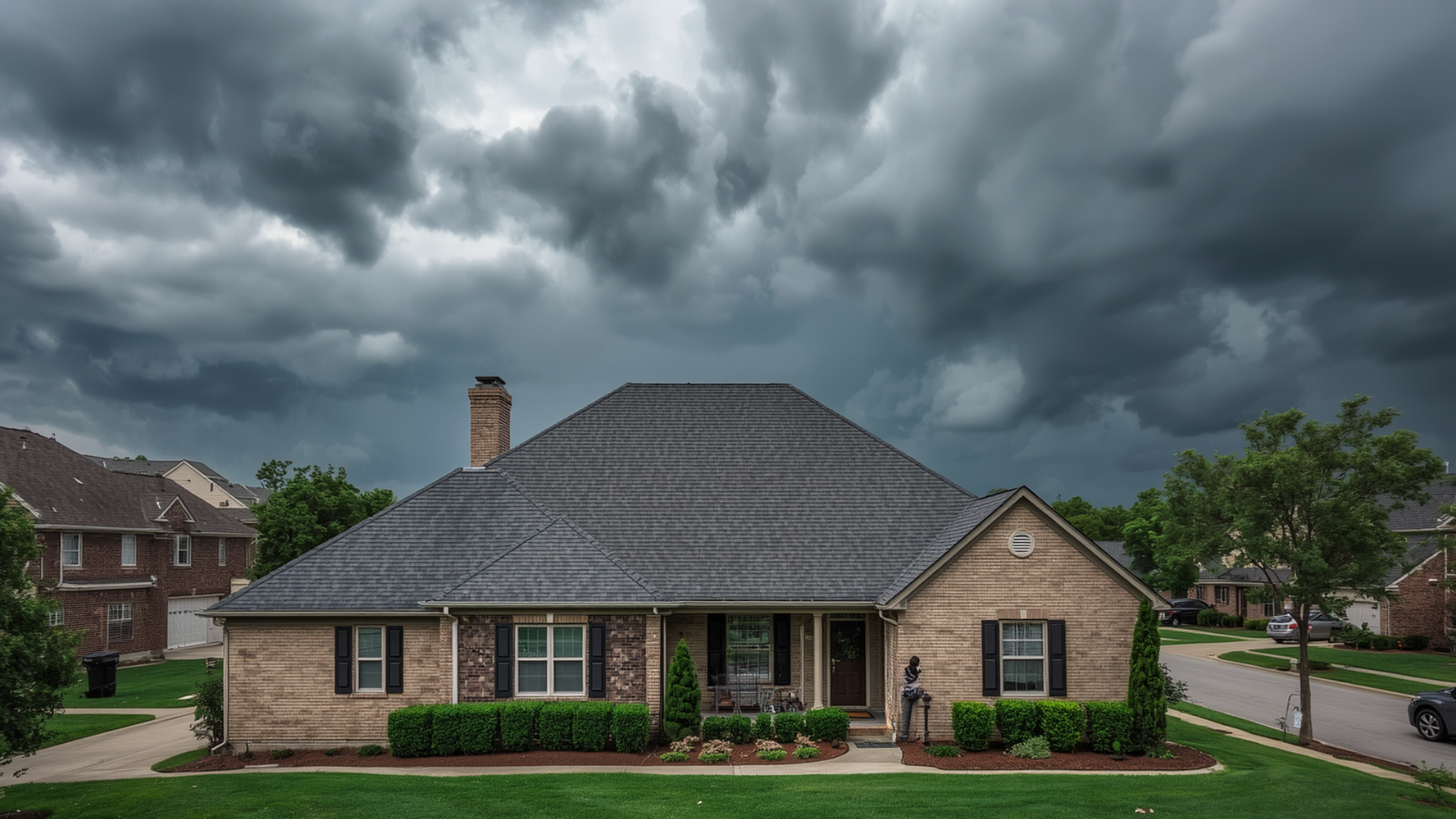
Central Arkansas roofs have to handle intense summer heat, heavy thunderstorms, wind, hail, falling branches, seasonal debris, and changing weather conditions throughout the year.
That combination makes preventative inspection especially useful when:
- a strong storm has recently moved through
- you notice something different about the roof
- the roof is getting older
- you're finding shingle granules
- gutters are acting differently
- you've developed an unexplained ceiling stain
- you're buying or selling a home
- you simply don't know the condition of the roof
For homeowners in Little Rock, North Little Rock, Cabot, Jacksonville, Sheridan, and surrounding Central Arkansas communities, September is also a practical time to take stock after another long summer and before heavier fall weather and debris arrive.
What Should You Ask a Roofer During an Inspection?
Ask what they inspected, what they found, what needs immediate attention, and what can safely wait.
Good questions include:
- Did you find any active leaks?
- Are any shingles damaged or missing?
- How does the flashing look?
- Are the pipe boots in good condition?
- Did you find significant granule loss?
- Are the valleys draining correctly?
- Do the gutters appear to be working properly?
- Is there evidence of previous repairs?
- Is anything urgent?
- What should we simply monitor?
- Does this look repairable, or is replacement becoming necessary?
You should come away understanding the roof better than you did before the inspection.
Frequently Asked Questions
How long should a roof inspection take?
It depends on the size, design, accessibility, and condition of the roof. A straightforward single-story home may be evaluated more quickly than a steep or complicated roof with multiple valleys, penetrations, and additions.
Does a roof inspection include gutters?
A thorough exterior evaluation should consider gutters and downspouts because they affect how roof runoff is managed and can also reveal granule loss or drainage problems.
Does a roof inspection include the attic?
It can. If the attic is accessible or there are signs of leaking, checking the underside of the roof can reveal moisture, staining, sagging decking, or ventilation concerns that may not be visible from outside.
What are the most important parts of a roof inspection?
Shingles, flashing, roof penetrations, valleys, vents, roof edges, gutters, and signs of interior moisture should all receive attention.
Can a roof look fine from the ground but still have problems?
Yes. Small flashing failures, deteriorated pipe boots, exposed fasteners, or moisture beneath the roof surface may not be obvious from the driveway.
Should I have my roof inspected after a storm?
If your property experienced hail, strong winds, falling limbs, or other severe weather, an inspection can help determine whether the roof sustained damage even if you don't see an immediate leak.
How often should a roof be inspected?
There isn't one schedule that fits every home. Roof age, previous damage, storms, visible wear, tree coverage, and known leaks all affect how often an inspection makes sense.
Does finding damage mean I need a new roof?
No. Many roofing problems can be localized. The appropriate solution depends on the extent of the damage and the overall condition of the existing roof.
Want to Know What Condition Your Roof Is Actually In?
If you're seeing signs of wear, recently experienced a storm, or simply aren't sure what condition your roof is in, we can take a closer look.
At MT's Gutters & Roofing, we provide roof inspections and roof repairs for homeowners throughout Little Rock, North Little Rock, Cabot, Jacksonville, Sheridan, and surrounding Central Arkansas communities.
We'll look at the roof as a complete system and help you understand what needs attention, what can wait, and what looks just fine.
Contact MT's Gutters & Roofing to request a roof inspection or estimate.